
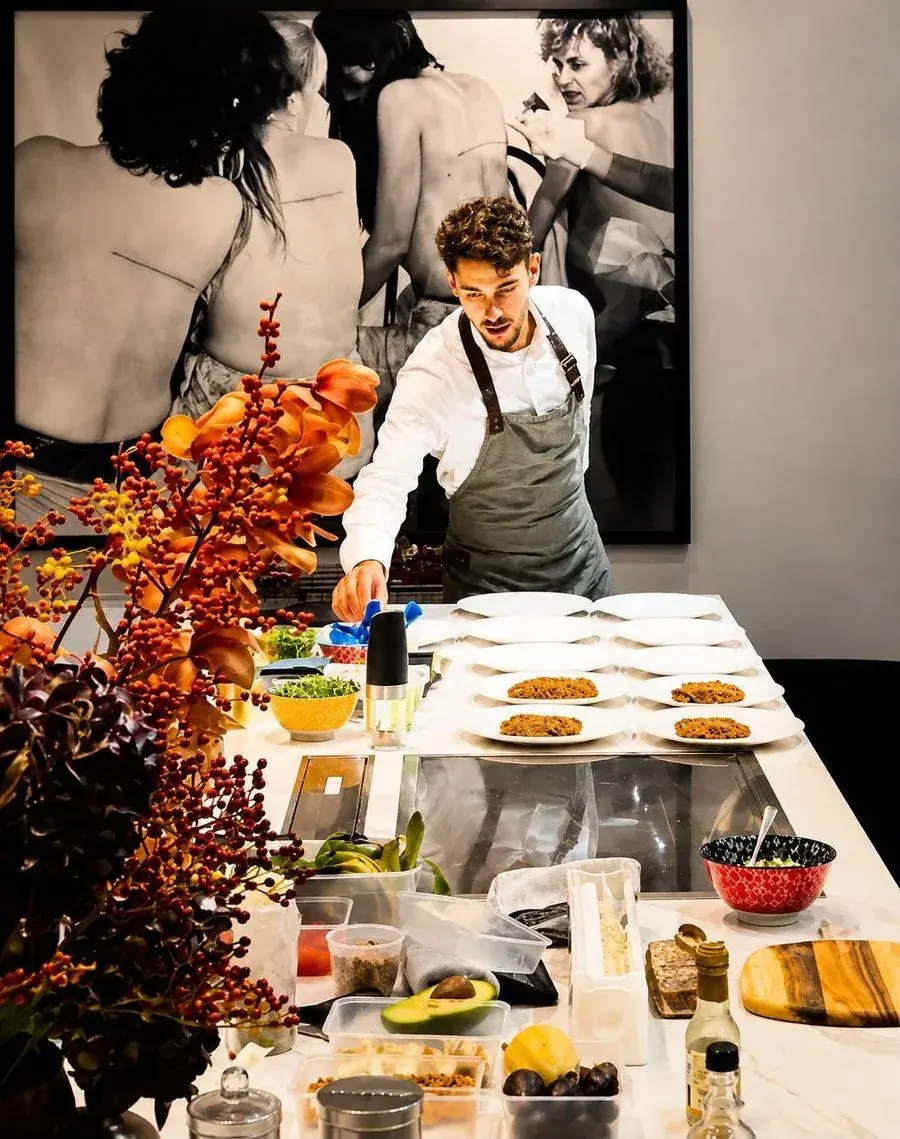
San Sebastián holds more Michelin stars per capita than almost anywhere else in the world — a small Basque coastal city that has become one of the most serious culinary training grounds on the planet. Training there leaves a lasting mark on how a chef approaches food.
01A culture built on technique
Basque cuisine is famous for combining rustic tradition with meticulous technique — pintxos that look effortless but demand precision, seafood cooked simply because the quality doesn't need dressing up, and a real respect for ingredients over unnecessary complexity.
02Learning under serious mentors
Training under chefs associated with the region's Michelin-starred tradition — including working in kitchens shaped by figures like Martín Berasategui — means absorbing standards for consistency, precision and discipline that carry through into every kitchen a chef works in afterwards, wherever that ends up being.
03How this shows up in London
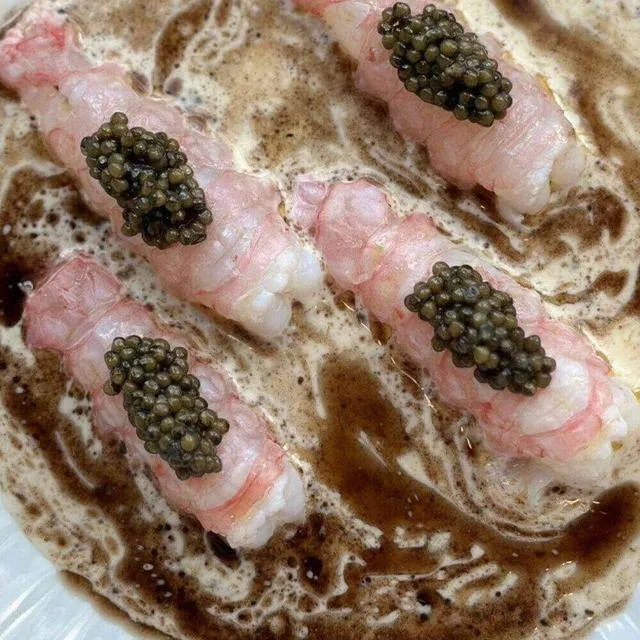
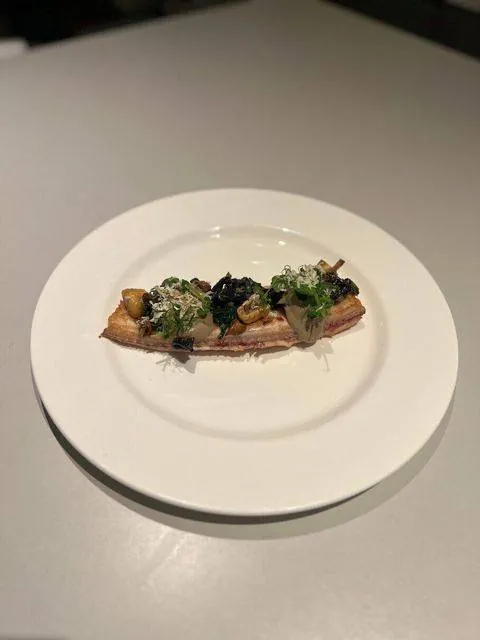
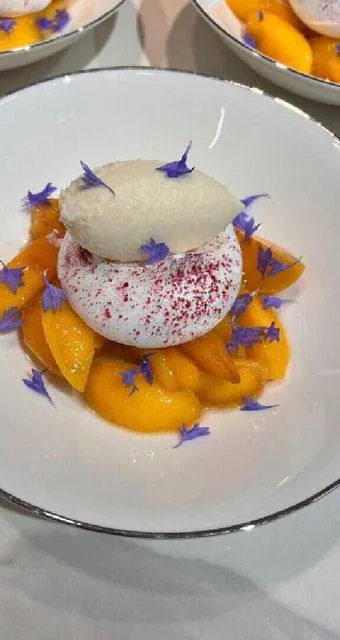
That training translates into a private chef's approach well beyond Spanish-themed menus — the same discipline around sourcing, seasoning, and plating shows up across a full tasting menu, whether the dishes on it are Spanish, French-influenced, or entirely original.
04Why it matters when choosing a chef
A chef's training background is a genuine signal of quality and consistency. Someone trained in a demanding culinary environment like San Sebastián has been tested against exacting standards long before cooking for a private client.
05Bringing it full circle
For clients specifically drawn to Spanish cuisine, this training background isn't just a credential — it's the reason a Spanish Heritage menu feels genuinely authentic rather than a loose interpretation.
06A Region That Takes Food Seriously as Culture
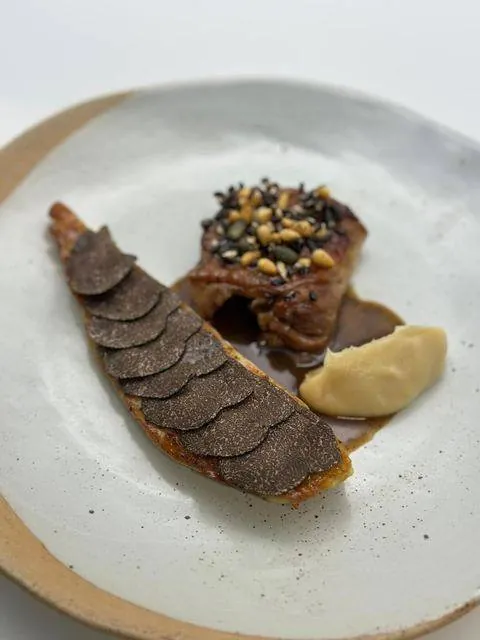
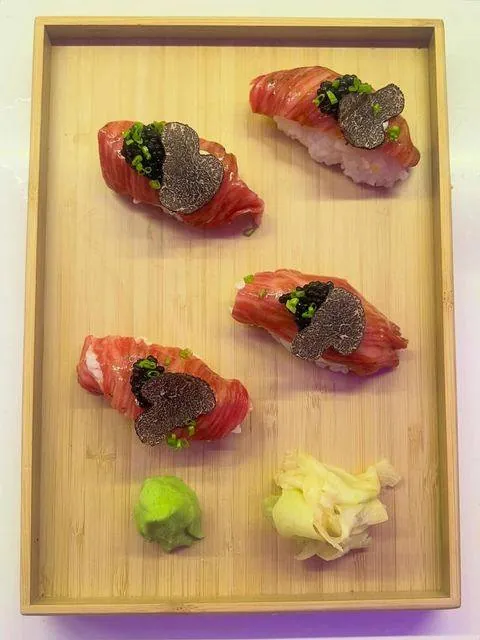
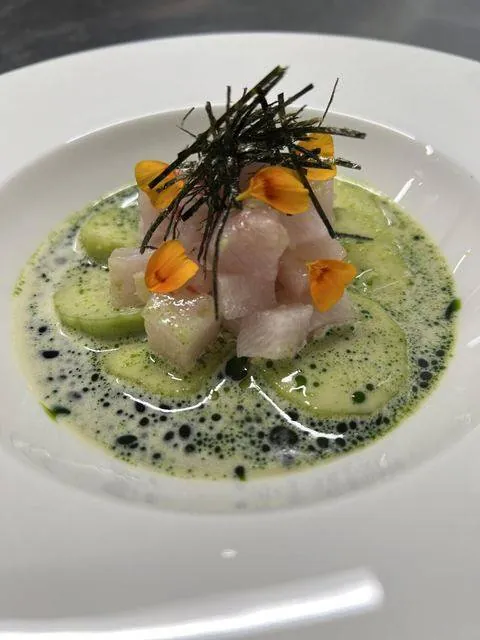
What makes San Sebastián's culinary scene so distinctive isn't just the concentration of talent — it's a wider regional culture where food is treated with the same seriousness as art or architecture elsewhere. Pintxos bars compete on genuine technique, not just novelty, and diners expect real expertise even in casual settings. Training within that culture instils standards that don't loosen once a chef moves elsewhere — if anything, the discipline sharpens even further once applied to entirely new cuisines and contexts.
07Why Clients Often Ask About This Background Specifically
For clients who have visited San Sebastián themselves, or simply admire its culinary reputation, knowing a chef trained there adds a layer of confidence and connection to the booking — a shared appreciation for a place and tradition that goes beyond just ordering a meal.
08A Legacy Worth Experiencing
For anyone who appreciates serious culinary craft, a menu shaped by this training background offers a genuine window into one of the world's most respected food cultures.
09A City Worth Visiting, A Tradition Worth Tasting
For clients who haven't yet visited San Sebastián themselves, a menu shaped by this training offers a genuine taste of what makes the city's food culture so globally admired, without needing to book the flight.
10One Final Thought
Few culinary credentials carry as much genuine weight among those who know the industry — training in this environment is a meaningful signal, not just an impressive line on a biography.
11What carries over to private dining
Working in a city that treats food as a serious craft teaches habits that last: respect for the ingredient, tolerance for repetition until a technique is exact, and a habit of tasting everything before it leaves the kitchen. In private dining those habits show up as consistent seasoning, clean plating and menus that never try to do too much. Guests rarely know the history behind a dish, but they can tell when it was cooked by someone who has been trained to care about every plate.
Curious what a San Sebastián-trained approach looks like on your table? Get in touch through the enquiry form to discuss your menu.
Discuss Your MenuFurther reading: San Sebastián Tourism: gastronomy and Michelin heritage
Explore: Mediterranean private chef, all cuisine styles.