

When two private chef quotes for what looks like a similar event come back very different, it's rarely about one chef being "more expensive" than another. It usually comes down to a handful of specific factors that most guests never think to ask about. Here's what genuinely moves the number.
011. Guest count and table configuration
More guests means more prep, more plating time, and often an assistant chef or wait staff to keep service moving smoothly. But it isn't always linear — a very small, highly detailed tasting menu for four can take as much hands-on work as a relaxed dinner for twelve.
022. Menu style and number of courses
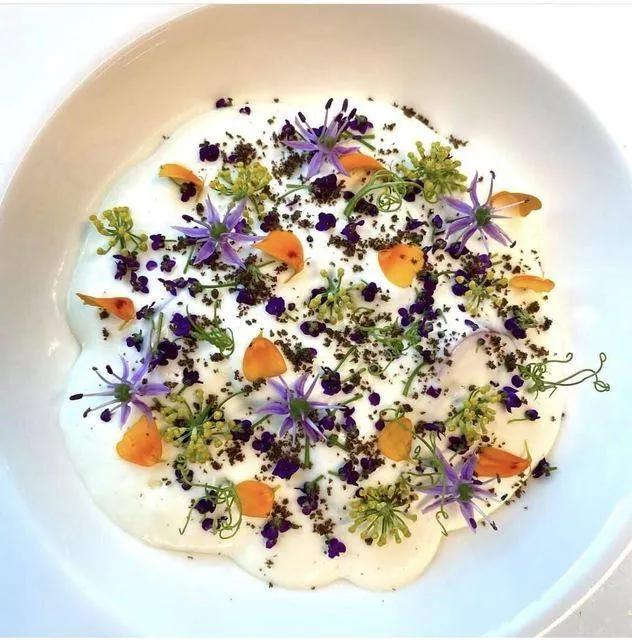
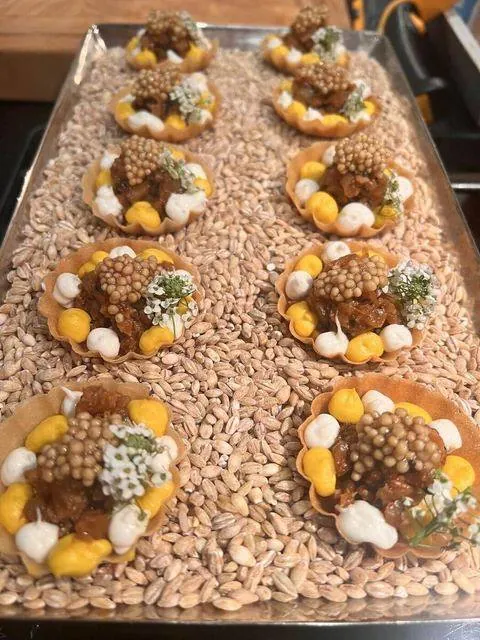
A three-course seasonal dinner and a seven-course tasting menu with wine pairing suggestions are fundamentally different jobs in terms of planning, technique and time on the night. The Menus page shows the range this can cover, from canapés through to full tasting menus.
033. Ingredient sourcing
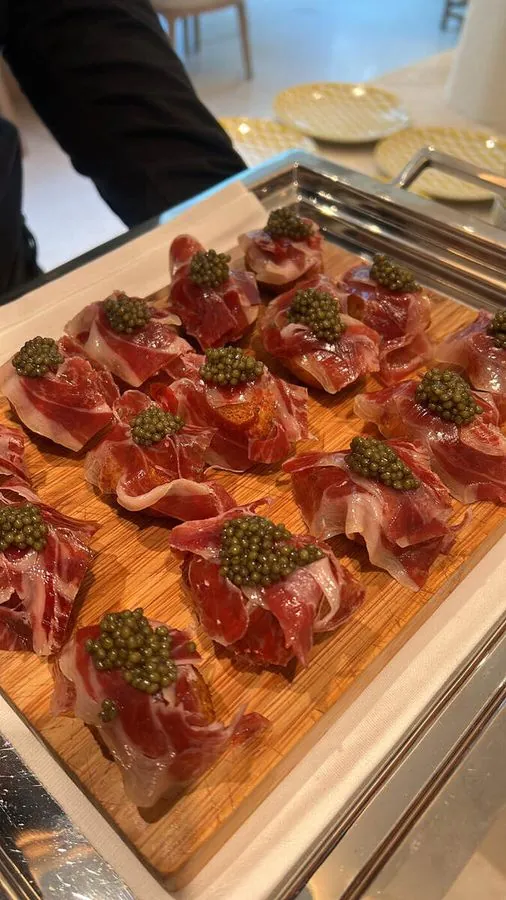
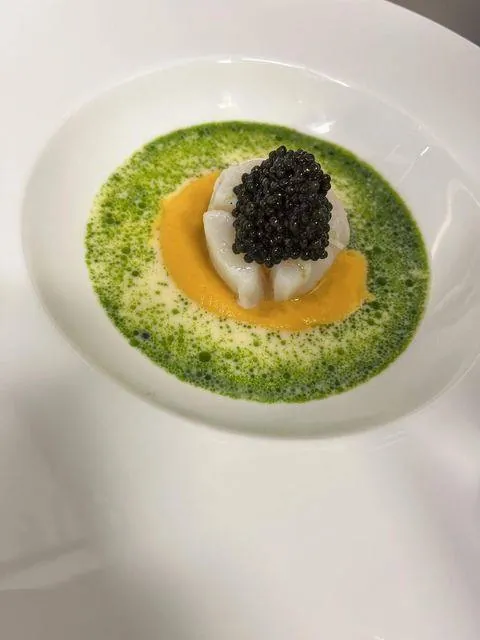
Wagyu, fresh langoustine, caviar and out-of-season produce all carry a real cost before a chef has even started cooking. A menu built around premium or hard-to-source ingredients will always price differently to one built around excellent seasonal vegetables and sustainably sourced fish.
044. Staffing beyond the chef
Wait staff, a dedicated bartender, or a second chef for larger events are usually quoted as separate line items. If you want a full cocktail and bar service alongside dinner, that's priced on top of the kitchen side of the evening.
055. Venue and equipment
Cooking in a fully equipped home kitchen is different to cooking on a yacht, in a marquee, or in a venue with limited kitchen facilities. Equipment hire, generators or portable induction setups can all factor into a quote for less conventional locations.
066. Travel and timing
A dinner in central London is priced differently to one two hours outside the city, or an event that runs late into the night and requires overnight travel. Weekend and peak-season dates can also affect availability and pricing.
077. Dietary complexity
A menu built around multiple allergies or specific dietary requirements takes more planning to get right without compromising on flavour — which is worth discussing upfront rather than adding as an afterthought.
See the full service page: Private Chef Pricing →
08Why Two Similar-Sounding Events Can Price Differently
It's worth stressing this because it trips up a lot of first-time clients: two dinners with the same guest count can land on very different numbers once you factor in menu ambition, ingredient sourcing and staffing. A twelve-guest dinner built around a relaxed three-course seasonal menu is simply a different job to a twelve-guest tasting menu with wagyu and langoustine. Rather than comparing quotes purely on the bottom line, it's more useful to compare what's actually included — course count, ingredient quality, staffing — since that's what genuinely explains any gap between two numbers.
09Where Clients Can Influence the Price Themselves
None of these factors are entirely fixed — a client with some flexibility on the guest list, menu ambition, or date can often bring the overall cost down without sacrificing quality. Being open about this during the initial conversation, rather than after a quote arrives, gives a chef room to suggest sensible adjustments that keep the evening special while working within your budget.
10Putting It All Together
None of these seven factors exist in isolation — a real quote weighs all of them together against your specific event. Understanding them individually simply means you'll never be surprised by where a number comes from, and you'll be equipped to have a genuinely productive conversation about adjusting scope if needed.
The only way to know exactly how these factors apply to your event is to talk it through. Use the enquiry form to share your guest count, date and menu ideas, and you'll get a clear, itemised quote back.
Start Your EnquiryFurther reading: BBC Good Food: seasonal UK produce guide
Explore: all cuisine styles.