
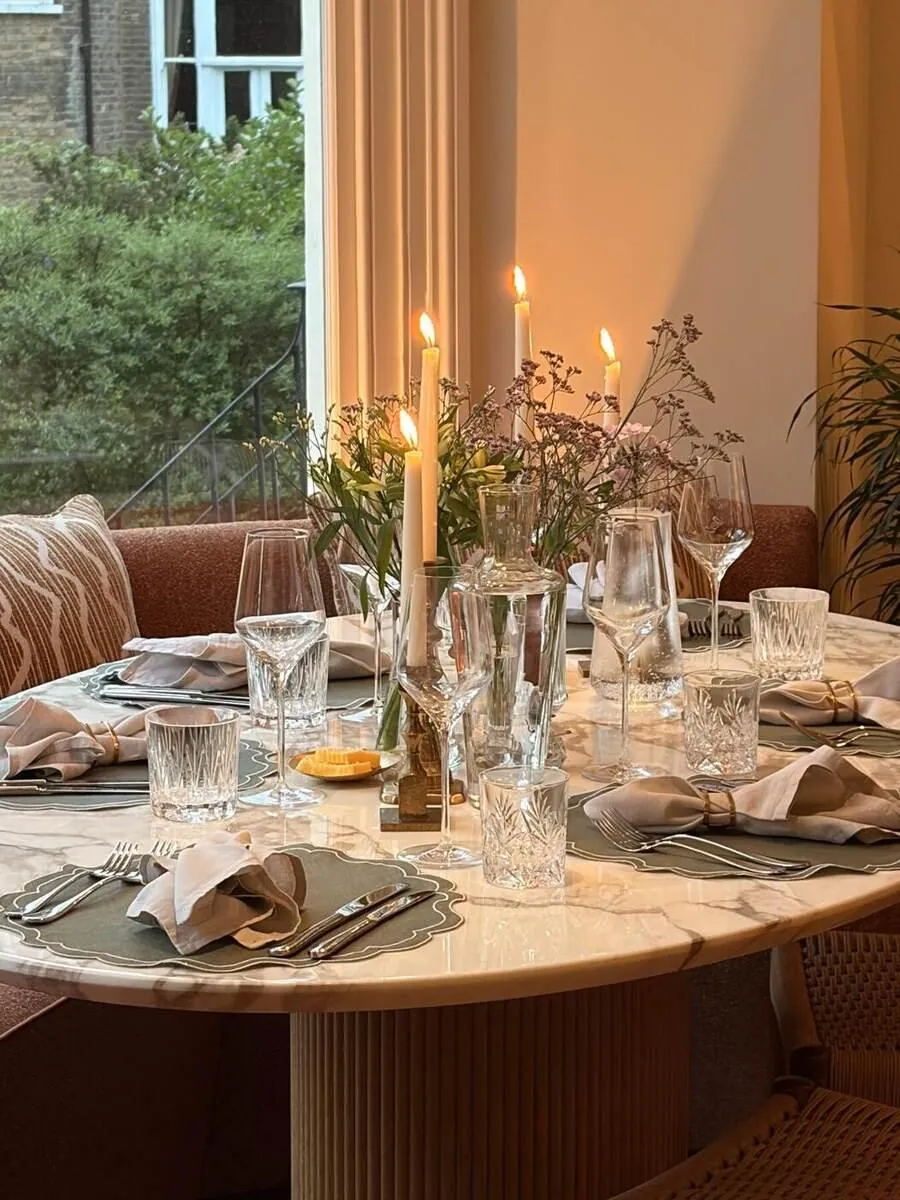
Hiring a private chef for a dinner party means far more than someone showing up to cook. It's a full service that starts well before the guests arrive and ends only once your kitchen is spotless again.
01Before the event
Planning starts with a conversation about your guests, preferences, and any dietary requirements, followed by a proposed menu — often drawn from a range like the tasting and à la carte menus — refined until it's exactly right. Ingredients are sourced fresh, usually on the day or the day before, so nothing sits around losing quality.
02On arrival
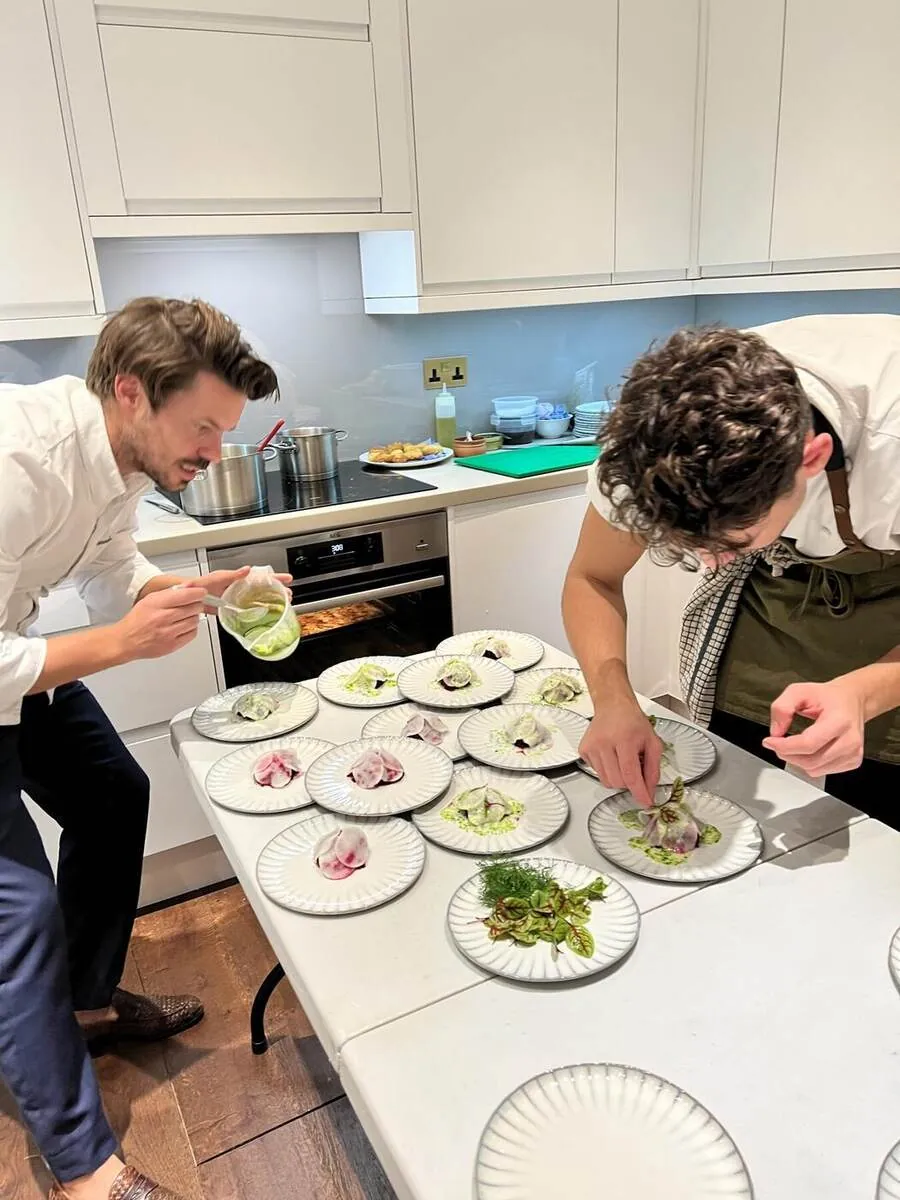
The chef arrives with everything needed — ingredients, equipment where relevant, and a clear plan for timing — and sets up in your kitchen well ahead of your guests. Most of the prep work happens quietly before anyone sits down, so the evening itself feels calm rather than rushed.
03During service
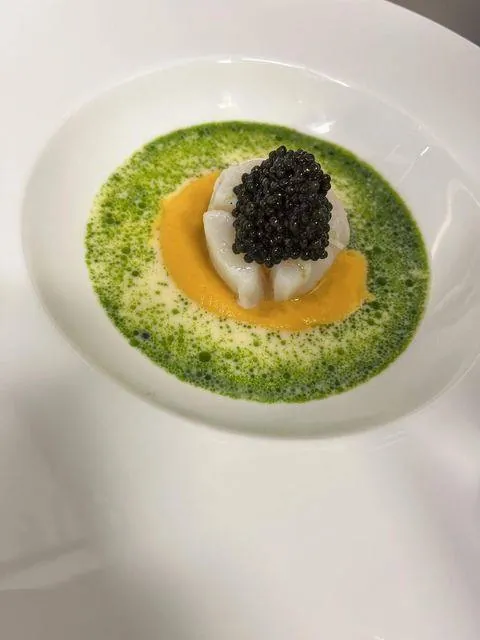
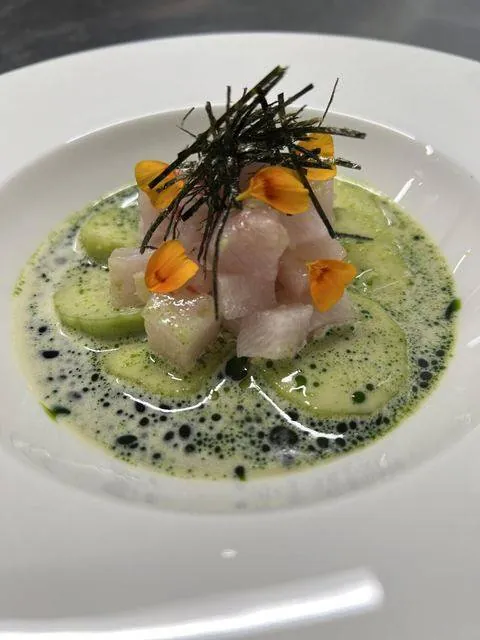
Each course is cooked fresh and plated to order, timed around your guests' pace rather than a rigid schedule. For larger dinners, a private chef may bring an assistant or wait staff to keep service smooth without you having to think about it at all.
04After the meal
Once the final course is served, clean-up is part of the service — your kitchen is left as it was found, so the only thing left for you to do is enjoy the rest of the evening with your guests.
05What makes it different from cooking it yourself
The real value isn't just the food — it's being a guest at your own dinner party. No disappearing into the kitchen mid-conversation, no juggling timings between courses, and no washing up once everyone has gone home.
See the full service page: Private Chef for a Dinner Party →
06Why the Behind-the-Scenes Work Matters as Much as the Cooking
A surprising amount of what makes a private chef dinner feel effortless happens well before the first course is plated — the quiet, unglamorous work of sourcing, prepping, and organising timing so that service flows without visible strain. Guests only see the finished result: a course arriving at exactly the right moment, beautifully plated, with the host fully present at the table rather than checking on the oven. That invisible preparation is, in many ways, the real value being paid for, even though it's the part guests never see.

07What Guests Typically Notice Most
Interestingly, guests rarely comment on the mechanics of service itself — they notice the host being relaxed and present, conversation flowing without interruption, and food arriving at a natural, unhurried pace. These are the real signs of a private chef doing their job well, even if no one at the table can quite articulate why the evening felt so effortless.
08Why Hosts Come Back to This Format
Once a host experiences a genuinely well-run private chef dinner party, it's rare for them to want to go back to managing the cooking themselves for a special occasion — the difference in how present and relaxed they get to be is usually the deciding factor.
09A Simple Way to Think About the Value
If you tally up the time you'd otherwise spend shopping, prepping, cooking, plating and cleaning for a proper dinner party yourself, the value of having someone else handle all of it becomes clear well beyond just the taste of the food.
10What the host actually needs to do
Very little. You agree the menu and timing in advance, make sure the kitchen is accessible and welcome the team when they arrive. During the evening the chef cooks, plates and serves, while you stay with your guests. After dinner the kitchen is cleaned and the team leaves. This simple division of roles is what allows hosts to enjoy their own dinner party for the first time in years.
Thinking about your next dinner party? Share your guest list and preferences through the enquiry form and start planning a menu built around your evening.
Plan Your Dinner PartyFurther reading: The Staff Canteen: inside professional kitchen service
Explore: all cuisine styles, how to host a dinner party for 8.