
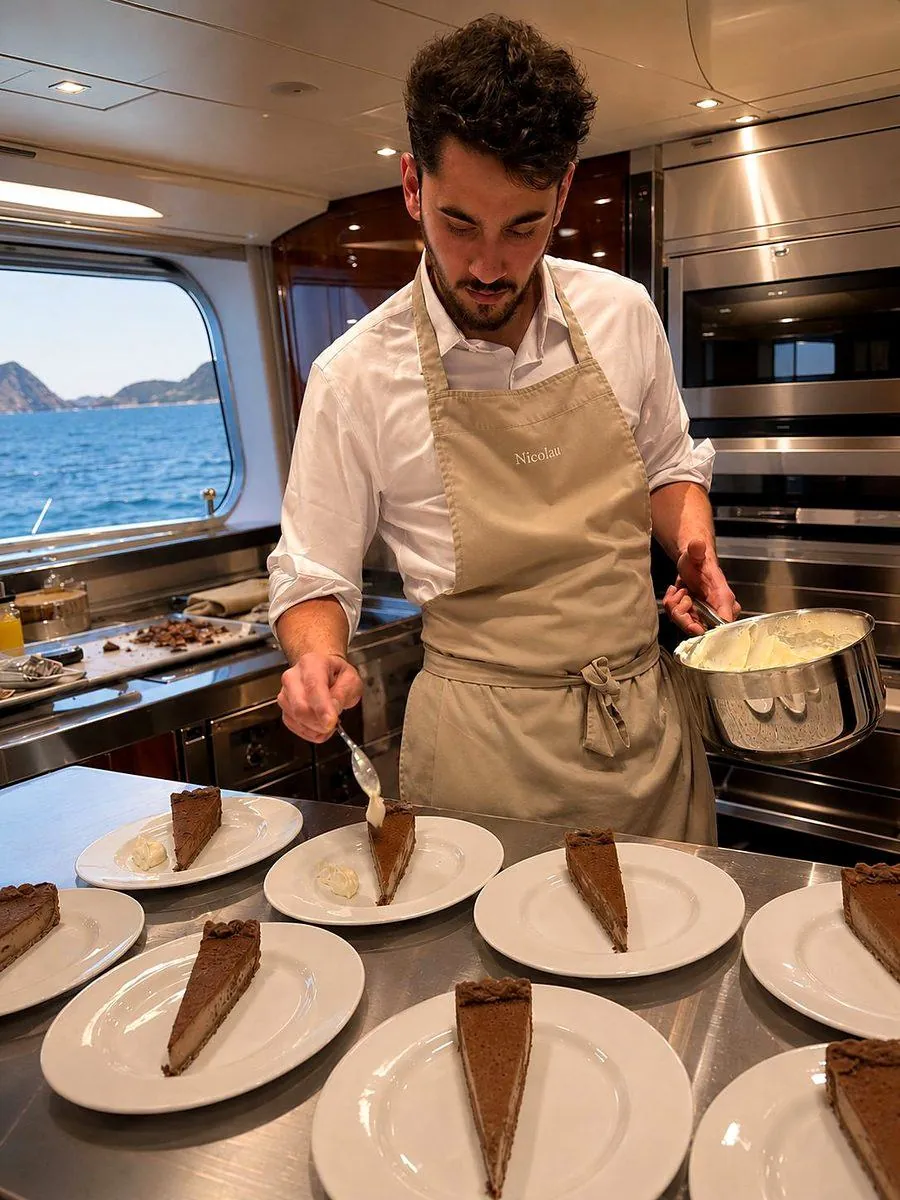
A yacht chef's role looks deceptively similar to cooking on land, but the reality — working in a compact galley, at sea, for guests who expect fine-dining standards — is a genuinely different discipline.
01Provisioning before the charter
Before a single guest steps aboard, a yacht chef plans and sources everything the trip will need — fresh produce, proteins, and pantry staples — often coordinating deliveries around ports and marinas where the yacht will be docked, since restocking mid-charter isn't always straightforward.
02Working in a galley, not a kitchen
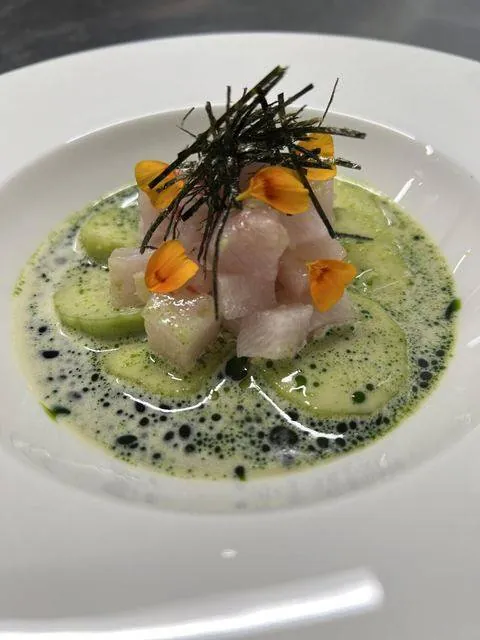
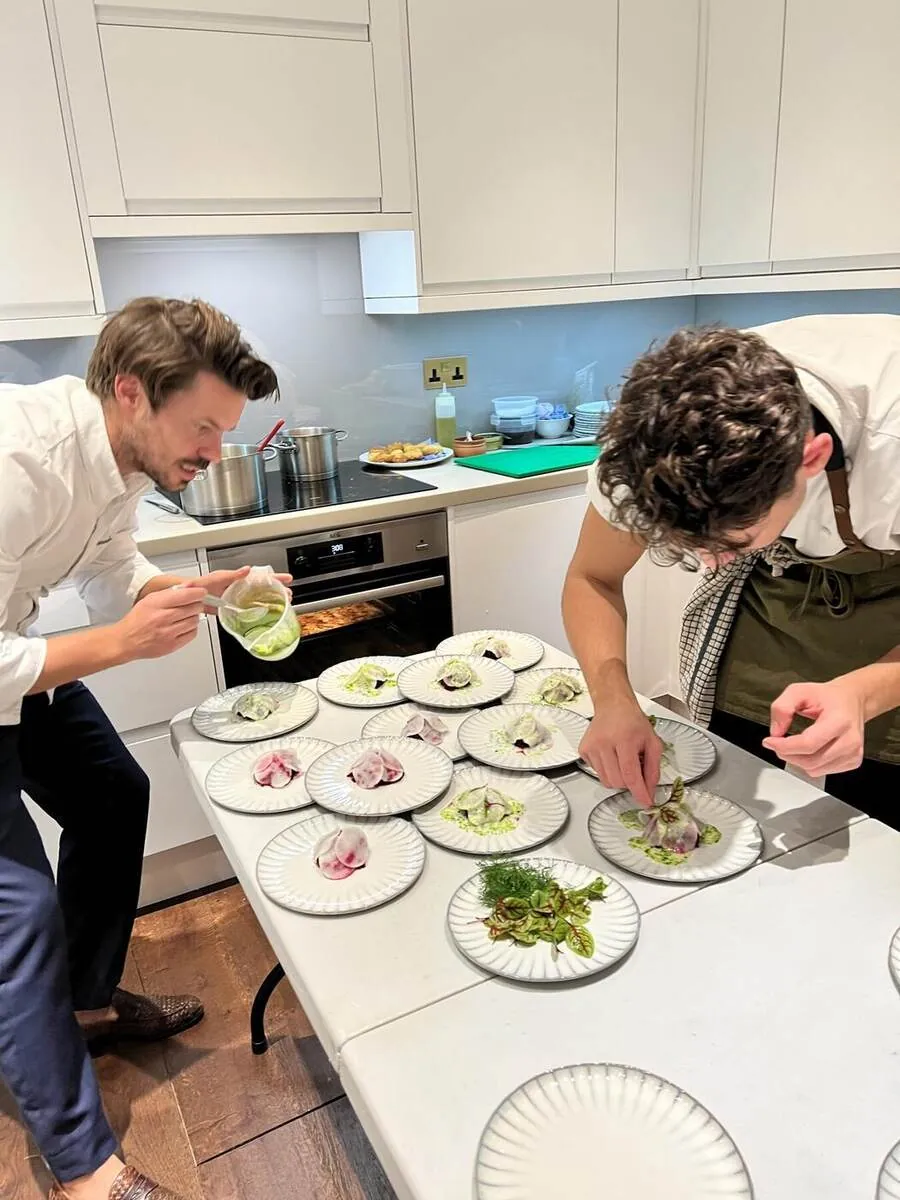
Yacht galleys are compact by design, and a chef has to plan menus around the equipment actually available on board, not an idealised kitchen. This takes experience — knowing how to deliver a multi-course tasting menu from a fraction of the space a land-based kitchen would have.
03Cooking for guests and crew
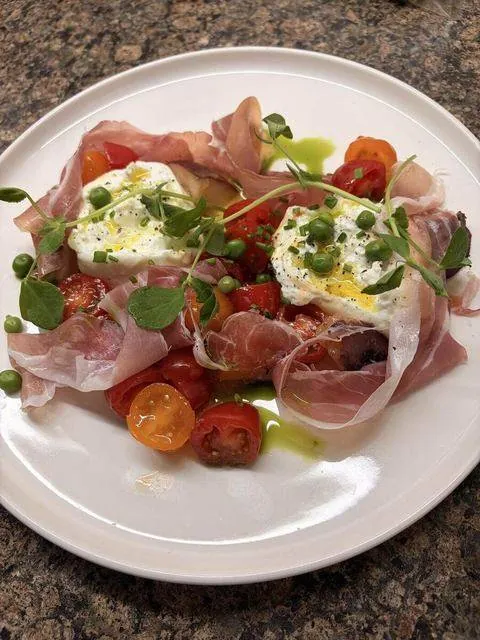
A yacht chef typically cooks for both guests and the wider crew, which means running two different service standards throughout the day — refined multi-course meals for guests, and hearty, efficient meals for crew, often on a tight schedule around the yacht's itinerary.
04Adapting to the day's plans
Charter days change — a planned lunch ashore might become lunch on board if the weather shifts, or an early departure might move dinner timing. A good yacht chef plans meals with enough flexibility to adjust without the quality slipping.
05Certification matters
Working on a yacht isn't just a cooking job — it usually requires STCW basic safety training, covering safety procedures specific to working at sea. It's worth confirming any yacht chef you're considering holds this.
See the full service page: Yacht Chef Service →
06The Skillset That Sets Yacht Chefs Apart
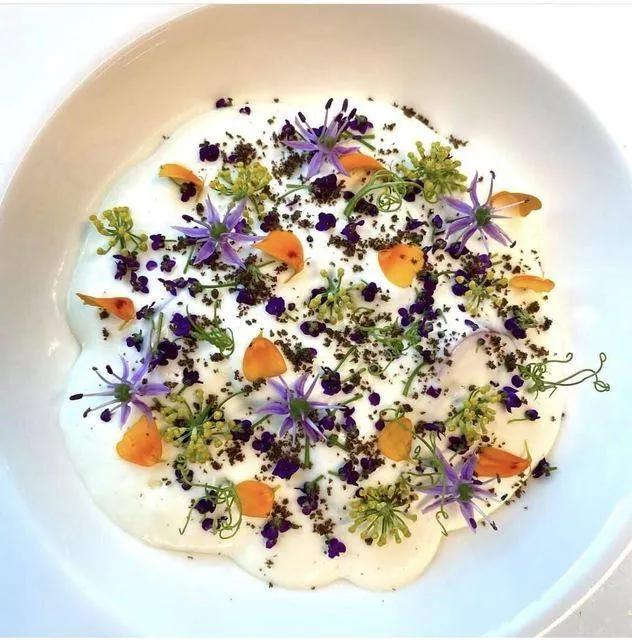
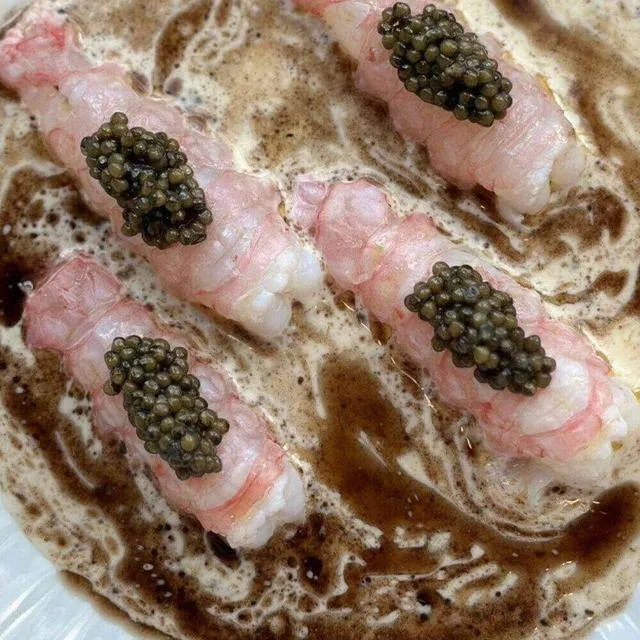
Beyond the cooking itself, a good yacht chef develops a particular kind of adaptability that's hard to find in land-based kitchens — planning meals around unpredictable weather, adjusting to a change in itinerary with almost no notice, and working calmly in a moving, compact space that would overwhelm many otherwise excellent chefs. This combination of technical skill and genuine flexibility is what experienced charter guests come to recognise and specifically look for when booking a yacht chef for a Mediterranean season.

07How This Differs Across Different Sizes of Yacht
The specifics of the role shift somewhat depending on the size of the vessel — a larger superyacht may have a fuller galley and dedicated crew mess, while a smaller yacht demands even more resourcefulness from the chef. Either way, the core skillset of adaptability, provisioning knowledge and safety awareness remains the same.
08Why This Role Attracts a Particular Kind of Chef
It takes a specific temperament to thrive in this environment — adaptable, calm under pressure, genuinely happy working in a small, constantly moving space. Those who do it well tend to love the lifestyle as much as the cooking itself.
09A Role That Combines Several Disciplines at Once
In many ways, a yacht chef is part cook, part logistics planner, and part safety-conscious crew member all at once — a genuinely multidisciplinary role that goes well beyond what the job title alone might suggest.
10A typical charter day
A yacht chef often starts before guests wake, preparing breakfast to order and checking provisions. Lunch may be served on deck, followed by an afternoon of preparation for a more formal dinner. Between meals the chef coordinates with the captain and stewardess, manages stock and cleans the galley, often a compact space with limited storage. Flexibility is essential, since itineraries can change with weather and guest plans, and menus have to adapt without compromising quality.
Planning a yacht charter and want a chef who understands both the cooking and the realities of life aboard? Get in touch through the enquiry form with your charter dates and itinerary.
Enquire About Yacht Chef ServiceFurther reading: Maritime and Coastguard Agency: STCW certification
Explore: Caribbean private chef, all cuisine styles.