
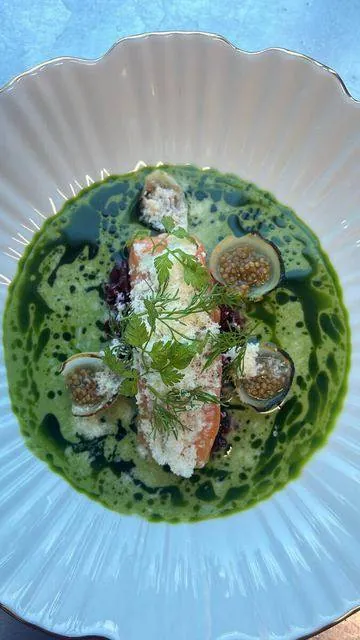
Too often, an allergy-friendly dish feels like an afterthought — a stripped-down version of what everyone else is eating. Done properly, it shouldn't feel like a compromise at all.
01Designing from the requirement, not adapting around it
The best approach starts with the dietary requirement itself and builds a genuinely delicious dish from there, rather than taking an existing recipe and simply removing an ingredient, which often leaves an obvious gap in flavour or texture.
02Using techniques that don't rely on the excluded ingredient
Good technique matters more here than substitution — a sauce built to be naturally dairy-free through proper reduction and seasoning, for example, tastes intentional rather than like a workaround.
03Keeping the dish visually consistent with the rest of the table
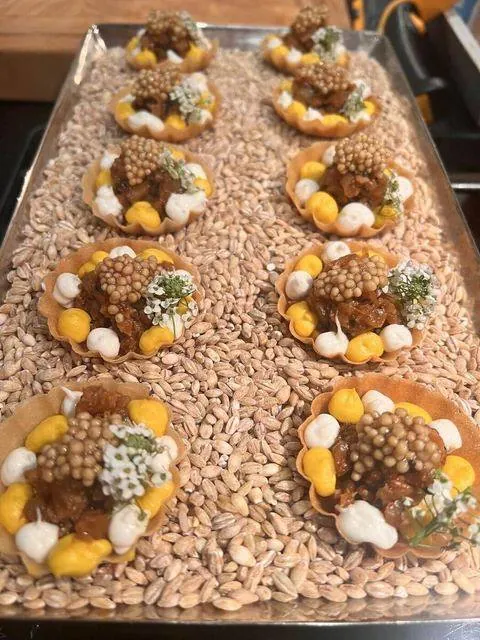
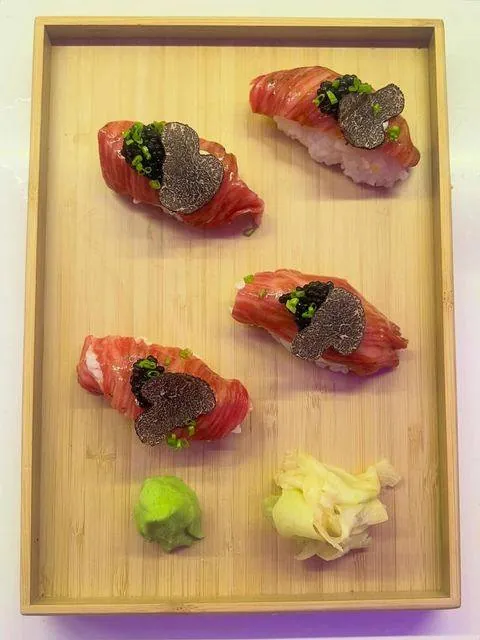
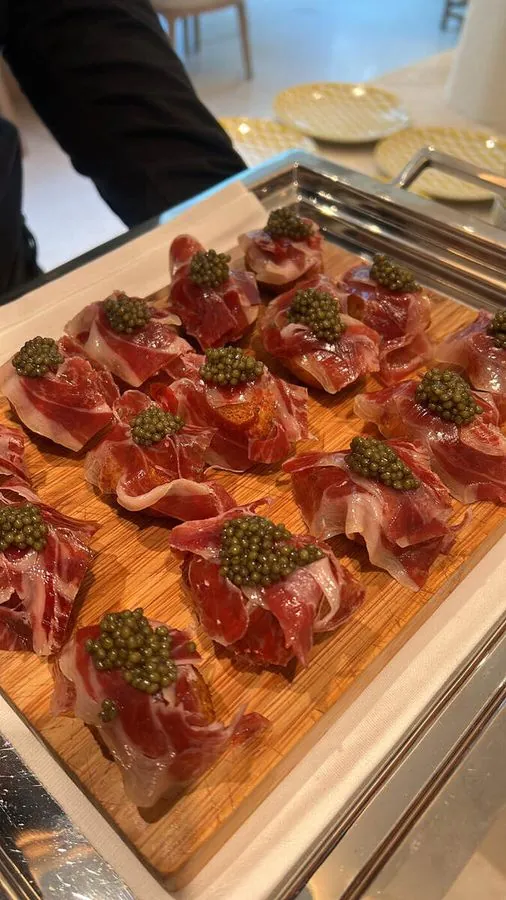
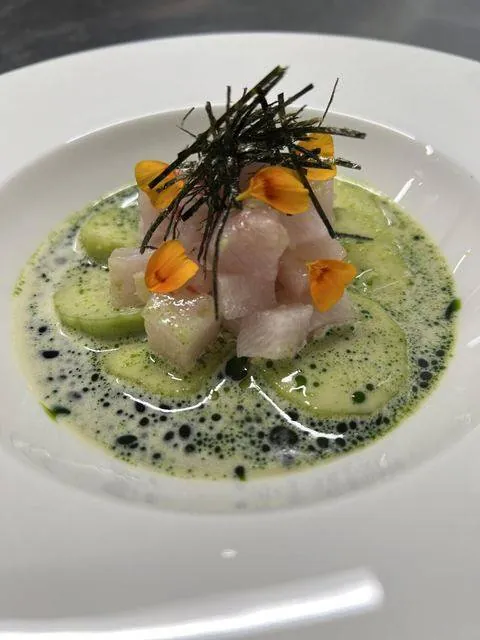
An allergy-friendly dish shouldn't look obviously different from what other guests are eating. Thoughtful plating keeps the visual experience consistent across the whole table, so no one feels singled out.
04Taking cross-contamination seriously
For guests with genuine allergies rather than preferences, proper precautions — separate equipment, careful ingredient checks — are essential, not optional, and should be discussed clearly in advance of the event.
05Making it feel like part of the menu, not separate from it
The goal across menus like those on the Menus page is that every guest, regardless of dietary requirements, feels they've had an equally considered, equally delicious meal.
06Why This Requires Genuine Expertise, Not Just Caution
Simply removing an allergen from a recipe often leaves an obvious gap — a sauce that feels thin without the cream it used to contain, for example. Properly reworking a dish to be both safe and genuinely delicious requires real technical skill, not just careful ingredient substitution. This is precisely the kind of expertise worth confirming when discussing dietary requirements with any private chef before booking.

07Communicating Clearly With the Whole Table
For guests seated near someone with a significant allergy, a brief, discreet mention from the host or chef about any precautions being taken can add reassurance without drawing unnecessary attention to the guest with the dietary requirement.
08Every Guest Deserves a Great Meal
The goal is always the same, regardless of dietary requirements: every single guest at the table should leave having genuinely enjoyed their food, without exception.
09Why Practice Makes This Easier Over Time
A chef who regularly cooks for allergies and dietary requirements builds a genuine repertoire of go-to techniques and substitutions over time, making the process feel far more natural than it would for someone encountering a specific requirement for the first time. This experience is worth asking about directly if a guest's dietary needs are particularly complex or unusual.
10A Standard Worth Expecting
Any private chef worth booking should treat this as a fundamental part of the craft, not a special favour — genuine skill shows in how well a kitchen handles constraints, not just how it performs with a blank canvas.
11The Real Measure of Skill
How a kitchen handles a genuine constraint, rather than how it performs with total freedom, is often the truest test of real culinary skill.
12Why careful planning beats avoidance
A good allergy-friendly menu does not start by listing what is missing. It starts by choosing dishes whose character comes from ingredients that are safe for your guests, then building flavour through technique such as roasting, reducing and layering acidity. Separate utensils, clear labelling and careful sourcing keep each plate safe, and the whole table can eat the same menu without anyone feeling singled out. The earlier the details are shared, the more freedom the chef has to design something genuinely exciting.
Have specific allergies to plan around? Share the details through the enquiry form and they'll be built into the menu from the start.
Tell Us About Your RequirementsFurther reading: Allergy UK: living well with food allergies
Explore: Thai private chef, Vegan private chef, all cuisine styles.