
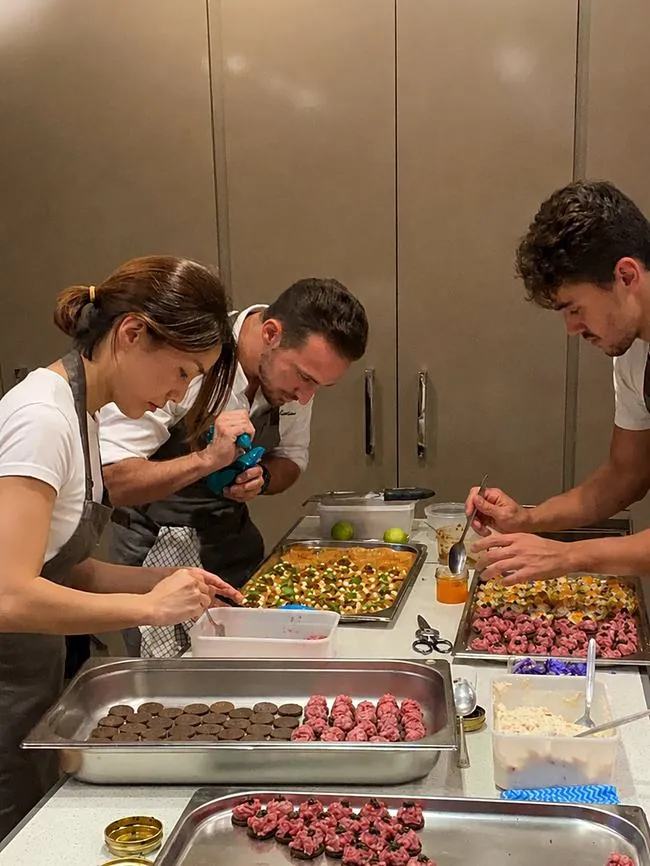
Behind every private dining evening is a full day of work most guests never see — here's a realistic look at what that actually involves for a private chef in London.
01Morning: sourcing and planning
The day often starts with sourcing — collecting or receiving fresh ingredients from trusted suppliers, checking everything meets the standard needed for that evening's menu, and finalising the plan for the day's prep.
02Midday: prep work begins
Much of a dish's success is decided long before service — sauces reduced, elements prepped, and anything that benefits from resting or marinating started well ahead of when guests will actually sit down to eat.
03Afternoon: travel and setup
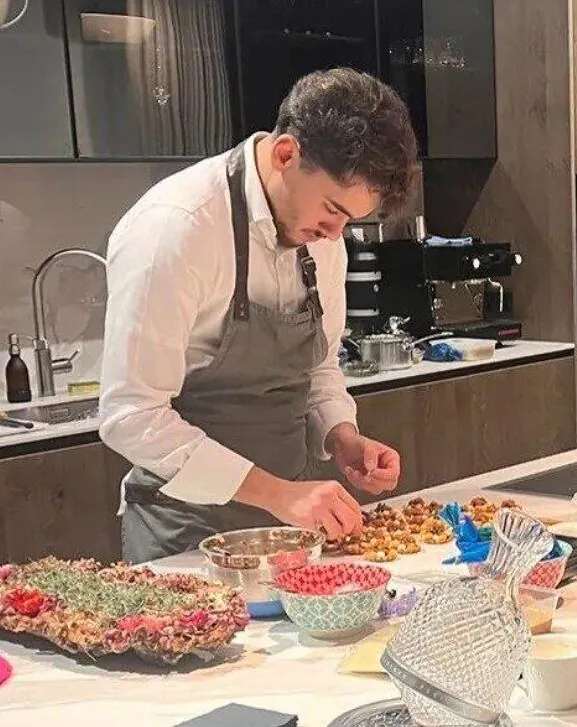
For an evening event, the afternoon usually means travelling to the client's home or venue, setting up the kitchen, and continuing prep on-site, timed carefully around when guests are expected to arrive.


04Evening: service
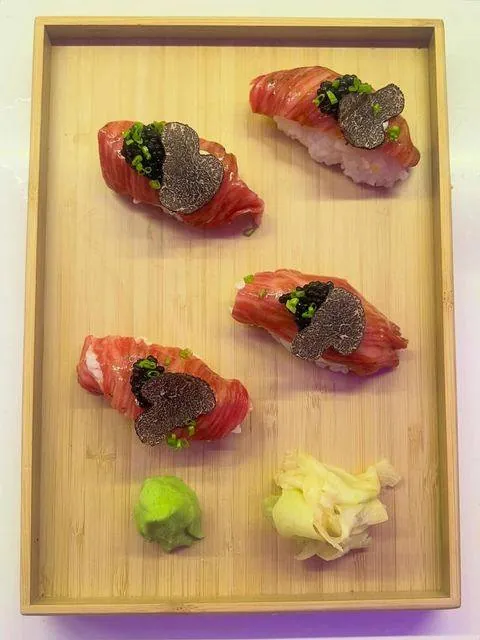
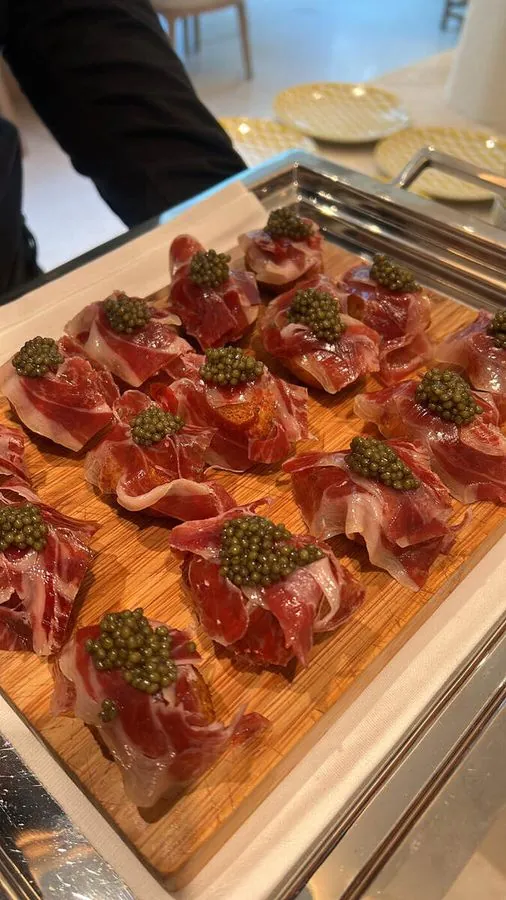
This is the visible part — cooking and plating each course, timed to the rhythm of the evening, whether that's a relaxed family dinner or a more formal multi-course tasting menu like those on the Menus page.
05Late evening: clean-up and wrap-up
Once the final course is served, the kitchen is cleaned and everything packed away, so the client's home is left exactly as it was found before the chef leaves for the night.
06Why this rhythm matters to clients
Understanding the full day behind a single evening's meal makes it clearer why sourcing, timing and preparation all genuinely matter — the visible hour of service is really the final stage of a much longer process.
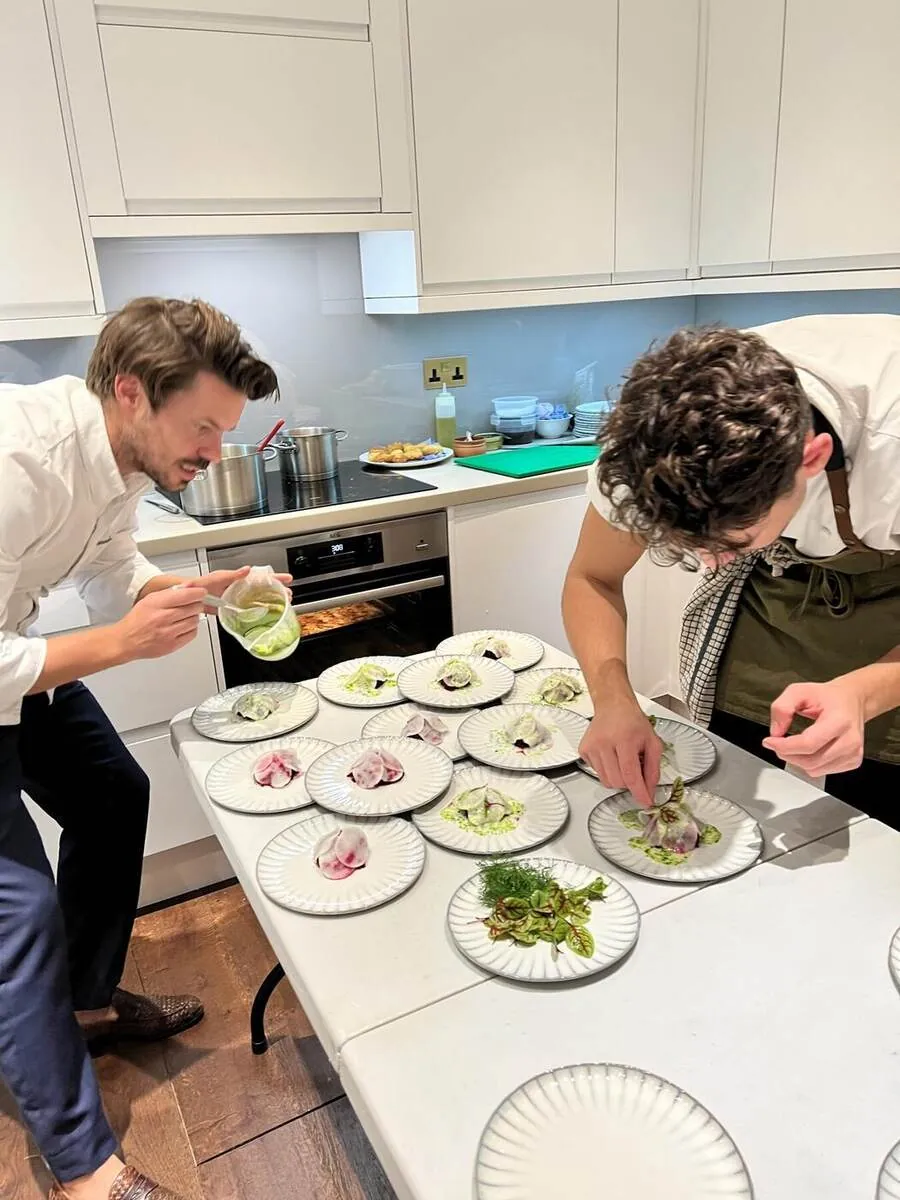
07Why Understanding This Process Changes How Clients Value the Service
Clients who understand the full scope of a private chef's working day — sourcing, prepping, travelling, setting up, cooking, and cleaning — often come away with a much clearer sense of what they're actually paying for. It's rarely just the hour or two of visible cooking; it's an entire day of expertise and labour condensed into a single, seemingly effortless evening at the table.
08How This Varies Between a Small Dinner and a Large Event
The rhythm described here scales significantly for a larger event — sourcing begins earlier, prep involves more hands, and the whole day extends further to accommodate the additional scope, even though the fundamental structure of the day remains the same.
09Appreciating the Full Picture
Next time you sit down to a private chef's meal, it's worth remembering the full day of work — sourcing, prepping, travelling and cooking — that made that single evening possible.
10The Reality Behind a Seemingly Simple Evening
What looks like a two-hour dinner from a guest's perspective is often the visible tip of a much longer process — sourcing that began that morning or the day before, hours of prep work, careful timing of every element, and a genuine performance of skill compressed into a single evening. Understanding this rhythm is part of what makes the finished meal feel even more impressive once you know what actually went into it.
11The part guests never see
Most of a private chef's day happens before the first guest arrives. Menus are finalised days earlier, ingredients are ordered from suppliers who deliver on the morning of the event, and preparation runs through the afternoon so that service itself is calm and precise. After the last course, the kitchen is cleaned and the team leaves the home exactly as they found it. That unseen routine is what allows a private chef to arrive, cook and serve an entire multi-course dinner in a client's kitchen without the host having to manage any of it.
Curious what a day of preparation would look like for your event? Get in touch through the enquiry form to find out.
Enquire About Your EventFurther reading: The Staff Canteen: a day in a professional kitchen
Explore: all cuisine styles.