
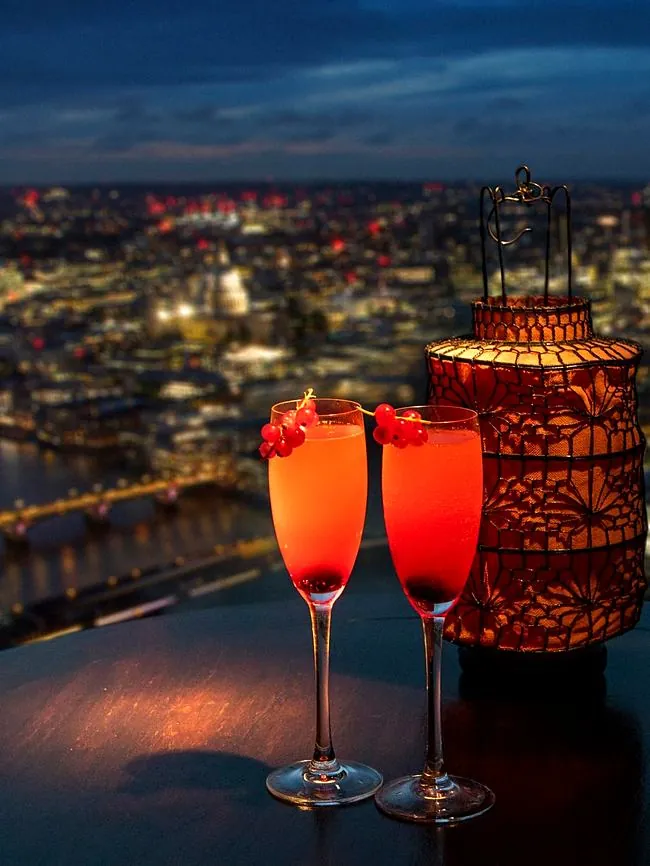
Getting the bartender-to-guest ratio right is one of the most practical planning questions for any private event — too few and your guests queue all night, too many and you're paying for staff standing idle.
01The general rule of thumb
For a standard cocktail-focused event, one bartender per 50 to 75 guests is a common baseline — though this shifts depending on the style of drinks being served and how quickly you want service to move.
02Why cocktail style changes the maths
A bar serving mostly wine and simple spirits can move faster than one built around elaborate, made-to-order cocktails with fresh juices and house-made syrups. If your event leans toward the latter — which is where the drinks genuinely shine — a slightly higher staffing ratio keeps service smooth without long waits.
03Welcome drinks vs an all-evening bar
A welcome cocktail on arrival, served to everyone in a tighter window, often needs more hands briefly than a bar running steadily across a longer evening. Planning for peak moments, not just the average across the night, avoids bottlenecks exactly when guests first arrive.

04Multiple bar stations
For larger events, splitting into two smaller bar stations rather than one large one often moves guests through faster and reduces the visual queue that can make an event feel less relaxed, even with the same total number of bartenders.
05How this is planned for your event
A proper bar and cocktail service accounts for guest count, drink style, and the shape of your evening — welcome reception, dinner, and later dancing or mingling — to staff appropriately for each phase rather than a flat number across the whole night.
06Adjusting the Ratio for Your Specific Guest List
The suggested ratios are a strong starting point, but the ideal number can shift based on your specific guest list — an older, more relaxed crowd typically drinks at a slower, steadier pace than a younger group arriving ready to celebrate hard from the first hour. Sharing a sense of your guests' likely drinking pace, alongside the guest count itself, helps refine the staffing recommendation for your specific event rather than relying purely on a generic guideline.

07Factoring in the Venue Layout Too
A sprawling venue with multiple rooms may need bar coverage in more than one location, even with the same overall guest count, simply so drinks remain easily accessible wherever guests happen to be standing throughout the evening.
08Getting the Balance Right
The right staffing level strikes a balance between cost-efficiency and guest experience — enough hands to keep drinks flowing, without unnecessary excess standing idle through the quieter moments of the evening.
09Don't Forget About Glassware and Setup Time
Beyond staffing numbers, ensure enough glassware and bar setup time is planned for your guest count — running short on glasses partway through an event can slow service just as much as being understaffed, regardless of how many bartenders are working.
10A Final Practical Note
If in doubt, it's generally safer to slightly overstaff than understaff a bar — a quiet bartender is a minor cost, while a slow, understaffed bar is something every guest notices immediately.
11Other factors that change the number
Beyond the guest count, think about how quickly guests will arrive, whether drinks will be served at the bar or passed on trays and how complex the cocktail list is. A menu of simple serves can be handled by fewer people than one with shaken or layered drinks. Venue layout matters too, since a single bar position can create queues. A short conversation about these points lets the team recommend the right number of bartenders rather than relying on a rule of thumb.
Planning the bar for your event? Share your guest count and drink preferences through the enquiry form for a staffing recommendation that actually fits your evening.
Plan Your Bar ServiceFurther reading: UK Bartenders Guild: professional standards
Explore: all cuisine styles, how many drinks per person to plan for a party.
Related: How many canapés per person?.