

"High-protein" has become shorthand for "healthy," but a genuinely well-balanced high-protein meal is about more than just increasing the protein portion — it's about how the whole plate works together.
01Protein is the anchor, not the whole meal
A well-designed high-protein meal starts with a quality protein source — fish, poultry, lean meat, or a strong plant-based option — sized appropriately for the meal, without crowding out the rest of the plate.
02Vegetables still matter
A genuinely balanced meal includes a substantial portion of vegetables, providing fibre, micronutrients and volume that make the meal satisfying without relying purely on protein and fat to feel filling.
03Carbohydrates have a place
Despite some trends suggesting otherwise, moderate, quality carbohydrates — whole grains, root vegetables, legumes — support energy levels and training performance, and belong in a properly balanced high-protein meal rather than being eliminated entirely.

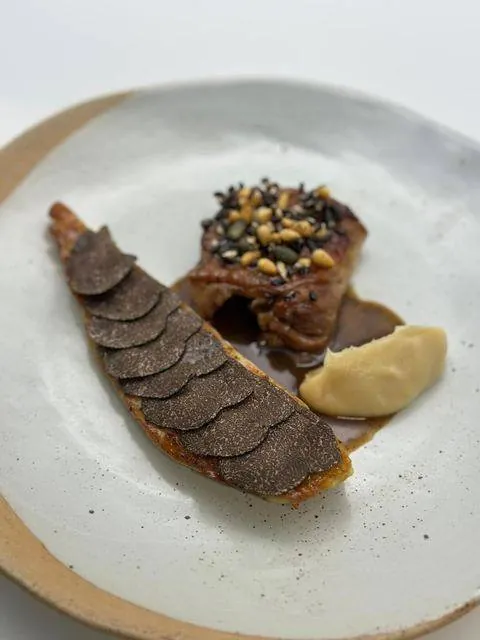

04Healthy fats round it out
A small amount of healthy fat — olive oil, avocado, nuts — supports nutrient absorption and satiety, and shouldn't be avoided simply because a meal is protein-focused.
05What this looks like in practice
The Meal Prep menu's "Average Per Meal" macros — built around roughly 56g protein, 627 kcal and 19g fat per meal — reflect this kind of balance: substantial protein, without sacrificing the rest of what makes a meal nutritious and genuinely enjoyable to eat.
06Why this matters more than chasing protein numbers alone
A meal built purely to maximise protein content, ignoring everything else, often ends up less satisfying and less sustainable long-term than one designed with proper balance in mind — which is the whole point of a well-planned meal prep menu.



07Why Consistency Matters More Than Any Single Perfect Meal
One occasionally imperfect meal has very little impact on overall progress toward any nutrition goal — what actually matters is the pattern across weeks and months. This is precisely why a sustainable, genuinely enjoyable meal prep plan tends to outperform a rigid, joyless one in the long run: people stick with food they actually want to eat, and consistency, not perfection, is what drives real results over time.
08Adjusting Portions Without Overhauling the Whole Plate
If your goals shift over time, the easiest adjustment is usually portion size rather than eliminating entire food groups — slightly more protein and vegetables, slightly less carbohydrate, for example — while keeping the same overall balanced structure that makes each meal genuinely satisfying.
09A Simple Standard to Aim For
If a meal includes a good protein source, plenty of vegetables, a sensible carbohydrate, and a little healthy fat, you're almost certainly on the right track, regardless of the exact numbers involved.
10Why This Approach Tends to Last
Meals built around this kind of balance tend to be genuinely sustainable long-term, precisely because they don't feel restrictive or joyless — an important, often overlooked factor in whether a nutrition approach actually sticks.
11A Final Practical Thought
If you're ever unsure whether a meal strikes the right balance, a simple visual check — protein, vegetables, and a modest carbohydrate all visibly present on the plate — is usually a reliable guide.
12Examples of balanced plates
A balanced plate might pair grilled fish with roasted vegetables and a modest portion of whole grains, or lean meat with a colourful salad and a dressing built on olive oil. A vegetarian version could combine legumes, eggs or dairy with seasonal vegetables and herbs. In each case the protein is the anchor, but fibre, healthy fats and flavour keep the meal satisfying. Seasoning and sauces matter, because food that tastes good is much easier to eat consistently.
Want meals built around this kind of genuine balance, not just a protein number? Get in touch through the enquiry form to start your plan.
Start Your Balanced Meal PlanFurther reading: British Nutrition Foundation: understanding macronutrients
Explore: all cuisine styles.