
Protein targets get thrown around a lot in fitness and nutrition conversations, but the practical question — how much protein does a single meal actually need to support muscle maintenance or growth — has a reasonably clear, evidence-based answer.
01The commonly cited range
Most nutrition research points to somewhere between 0.3–0.4g of protein per kilogram of bodyweight per meal as an effective target for supporting muscle protein synthesis, spread across three to four meals a day. For many adults, this lands in the region of 25–45g per meal, depending on bodyweight and activity level.
02Why spreading it across the day matters
The body can only make efficient use of so much protein at once for muscle repair and growth — which is why spreading intake across multiple meals tends to be more effective than loading most of your daily protein into one large meal.
03What this looks like on a plate
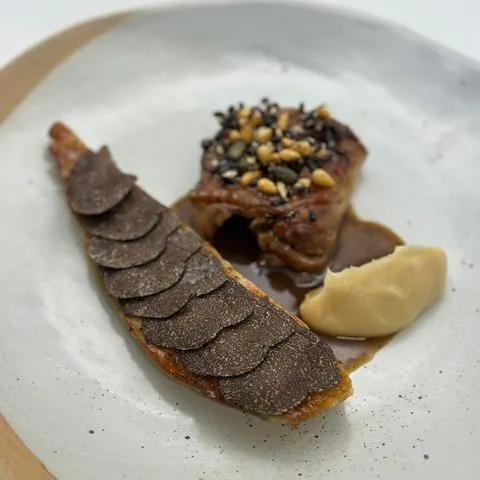
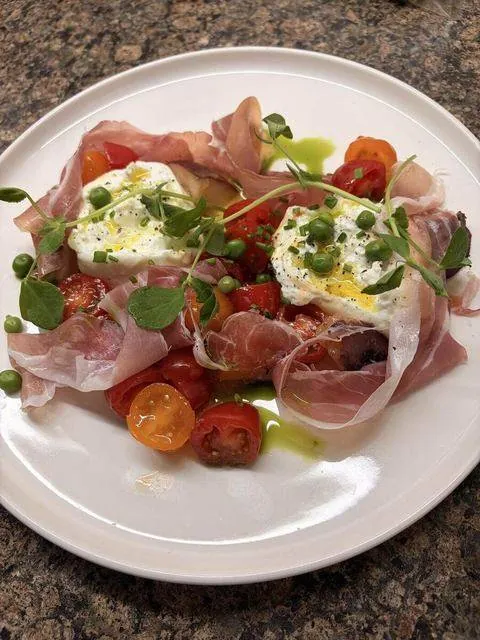
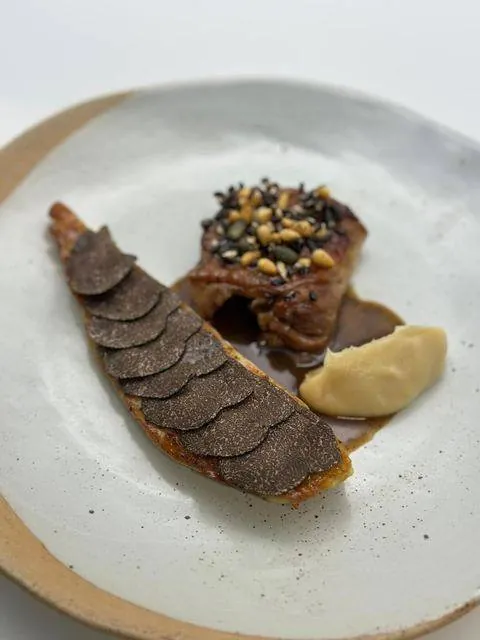
A meal built around a palm-sized portion of lean protein — chicken, salmon, lean beef, or a plant-based equivalent — alongside vegetables and a moderate carbohydrate source generally lands in this target range without needing to weigh every ingredient obsessively.
04Why total daily protein still matters most
Per-meal targets are a useful guide, but total daily protein intake — generally cited around 1.6–2.2g per kilogram of bodyweight for those actively training — remains the bigger factor in outcomes like muscle growth or preservation during a calorie deficit.
05How this translates into a meal prep plan
A well-designed high-protein meal prep menu builds meals around these targets automatically, so you're not doing the maths yourself every day — just eating consistently well-portioned meals that support your goals.
06Practical Ways to Hit These Numbers Without Overthinking It
In practice, aiming for a palm-sized portion of protein at each main meal, alongside a source of protein in snacks where relevant, tends to land most people comfortably within the effective range without needing to weigh or calculate anything at all. The goal of a well-designed meal prep plan is precisely to remove this daily mental effort — the numbers are already built into each meal's design, leaving you simply to eat well and consistently.


07Why Individual Needs Still Vary
These figures are useful general guidance, but individual factors — training intensity, age, and specific goals — mean the ideal number can vary meaningfully from person to person. A registered dietitian or sports nutritionist can offer more precise, personalised guidance if you have specific medical or performance considerations.
08Keeping Perspective
Protein targets are a useful tool, not a rigid rulebook — the broader pattern of consistently eating well matters far more than hitting an exact gram count at every single meal.
09A Word on Plant-Based Protein Sources
For those following a plant-based diet, hitting these same protein targets is entirely achievable through sources like legumes, tofu, tempeh and plant-based protein powders, though portion sizes may need to be somewhat larger to match the protein density of animal-based sources gram for gram.
10Keeping It Simple in Practice
For most people, simply prioritising a decent portion of protein at each meal, without obsessing over exact grams, achieves the vast majority of the benefit these targets are designed to deliver.
11Putting the numbers into practice
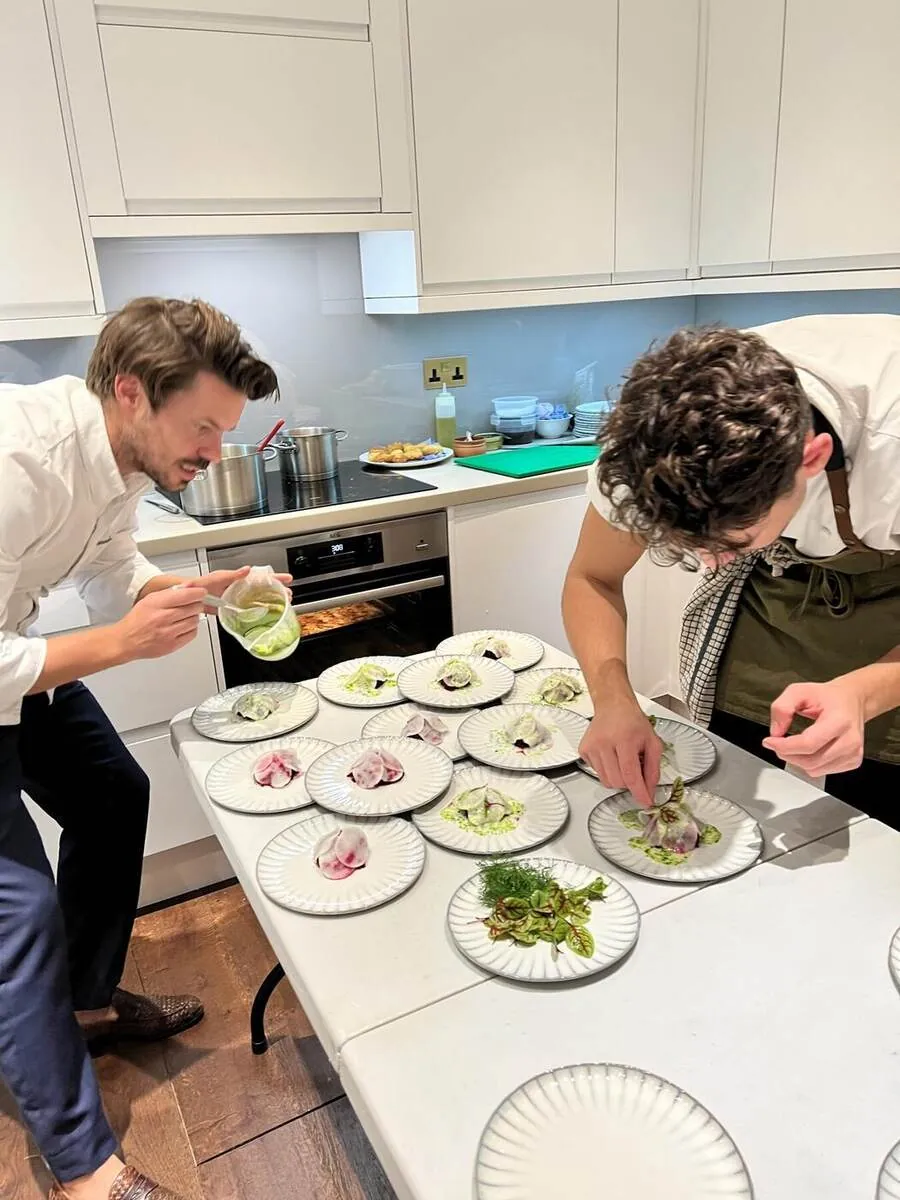
General guidance suggests that spreading protein across the day supports muscle maintenance, with a moderate serving at each meal rather than one very large portion. Individual needs differ with body size, activity and goals, so a dietitian or sports nutritionist can give personal targets. Once you know them, a private chef can translate the numbers into meals that taste good, such as fish, eggs, lean meat, legumes and dairy cooked with proper seasoning.
Want meals built around your specific protein and macro targets? Share your goals through the enquiry form and get a plan designed around them.
Build Your Meal Prep PlanFurther reading: NHS: protein and muscle health guidance
Explore: all cuisine styles.