
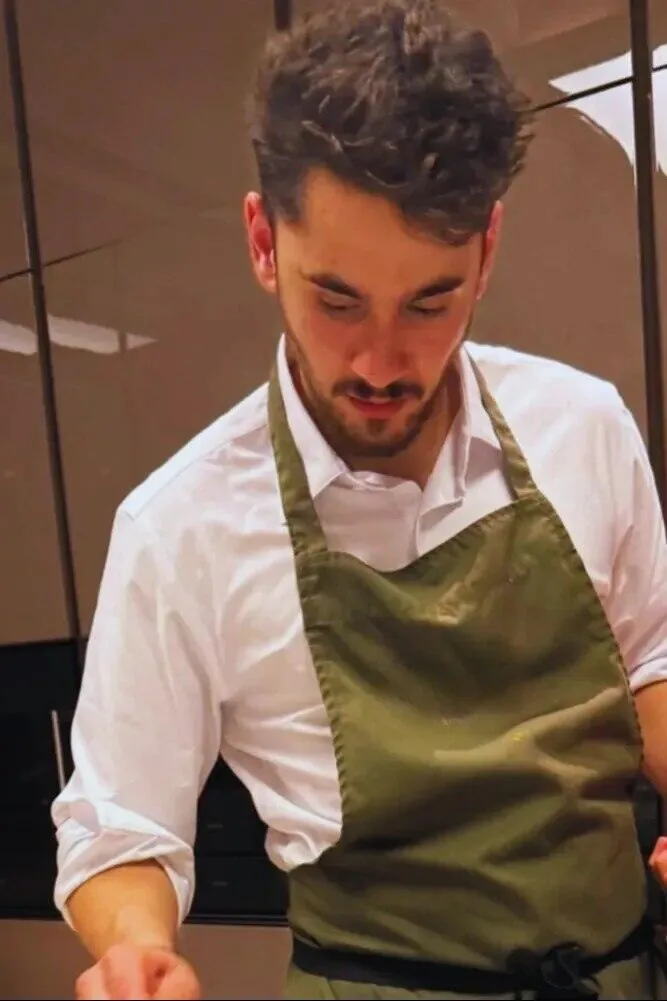
Hiring a private chef for the first time can feel like it should be complicated — it isn't. The process is straightforward once you know the five steps involved, from first message to the final course served at your table.
01Step 1: Share the basics of your event
Guest count, date, location, and the occasion (birthday, corporate dinner, family celebration, yacht charter) are the starting point. The more specific you can be, the faster and more accurate the response you'll get back.
02Step 2: Talk through menu style
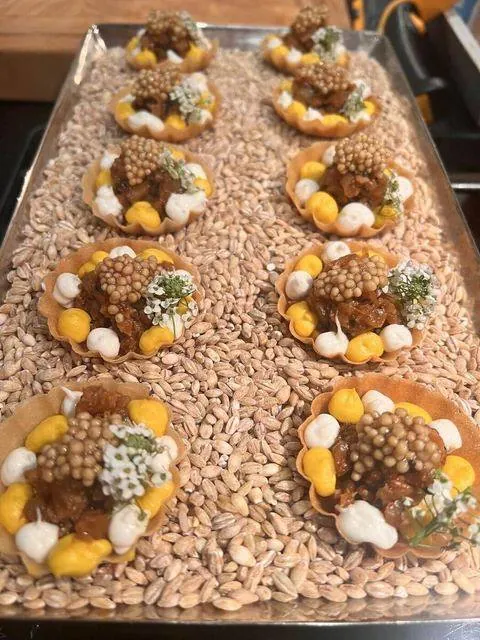
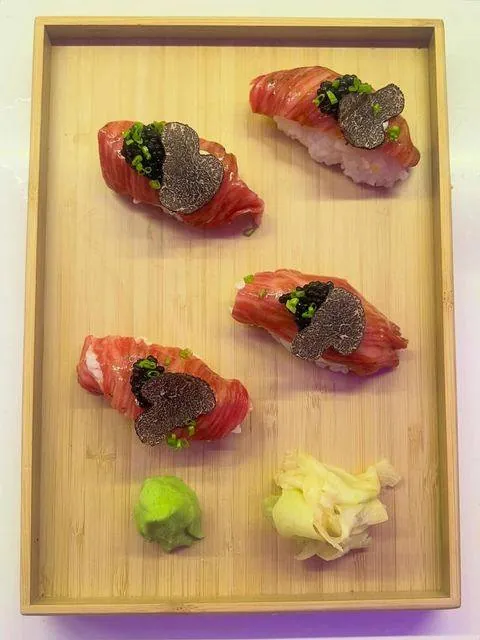
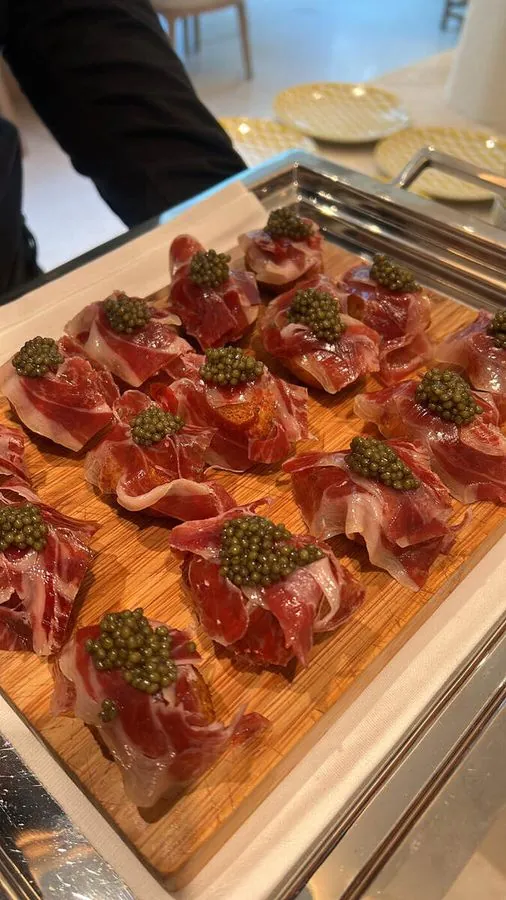
This is where you decide the direction: a refined multi-course tasting menu, a relaxed family-style dinner, a Spanish-inspired menu built around paella and tapas, or something built entirely around your own ideas. A private chef should ask about your preferences, dietary requirements, and anything you specifically want to avoid.
03Step 3: Receive a proposal and quote
A good proposal lays out the menu, what's included, and the full cost with no vague line items. This is also the moment to ask questions — about sourcing, timing, staffing, or anything else that matters to you.

04Step 4: Confirm and plan the details
Once you've confirmed, the finer details get worked out: arrival time, kitchen access, table setting preferences, and any last adjustments to the menu based on seasonal ingredients or final guest numbers.
05Step 5: The night of the event
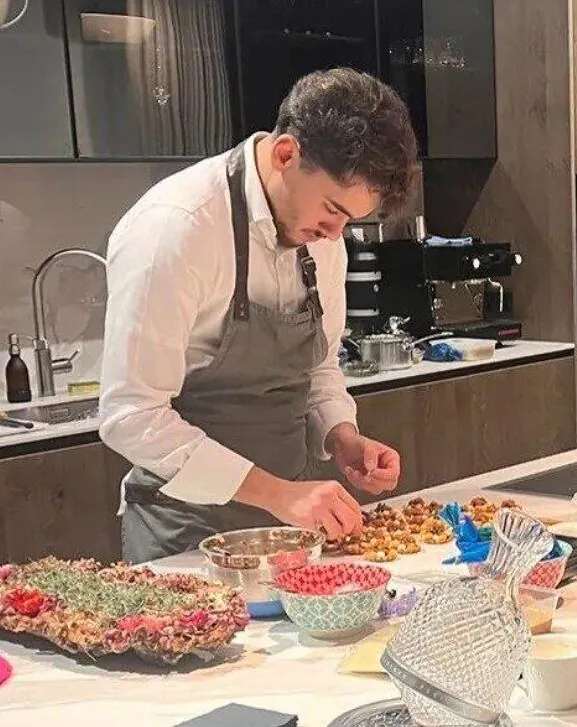
The chef arrives with everything needed, sets up in your kitchen (or the venue's), and cooks and serves the meal, before cleaning up afterwards — leaving you free to actually enjoy your own event rather than run it.
06What to prepare on your side
You don't need a professional kitchen — most private chef bookings work with a standard home kitchen. What helps is knowing your guest count reasonably early, flagging any allergies as soon as possible, and being open about your budget so the menu can be designed around it realistically.
07Common First-Time Mistakes to Avoid
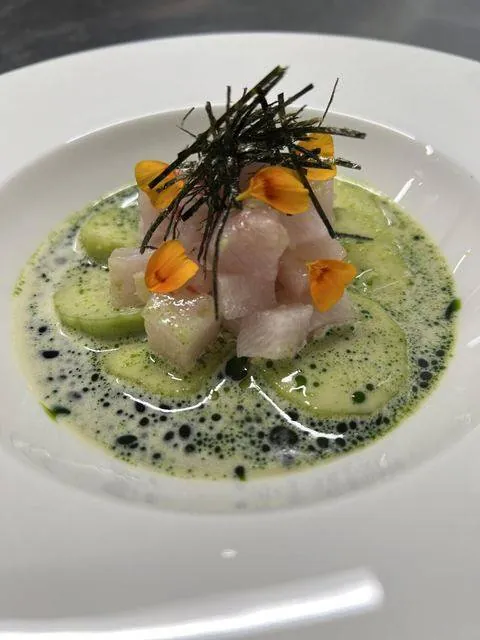
First-time clients often make the process harder than it needs to be — waiting too long to flag allergies, being vague about budget rather than sharing a realistic range upfront, or assuming a menu has to be chosen from a fixed list rather than built around their own preferences. The process works best as a genuine back-and-forth conversation rather than a one-way order form. The more specific and honest you can be at each step, the smoother the whole experience tends to be, right through to the night of the event itself.
08What a Smooth First Enquiry Looks Like
A strong first message doesn't need to be lengthy — a few clear lines covering your date, guest count, occasion and any specific ideas you already have is enough to get a meaningful response back quickly. From there, the conversation naturally develops into the detail needed to build your proposal.
09Getting Started Today
None of these five steps need to feel overwhelming — most clients move from a first message to a confirmed booking within a matter of days once the conversation gets going. The hardest part is usually just sending that first enquiry.
10A short checklist before you enquire
Before contacting a chef, jot down the date, the number of guests, the type of occasion, any dietary needs and the sort of food you enjoy. Add details of the venue, such as whether it is a home kitchen or a rented space. With this information a chef can reply with a meaningful proposal rather than general questions, and you can compare responses fairly. Keep any inspiration images or favourite dishes handy, as they help the chef understand the tone you want.
Ready to start? Fill in the enquiry form with your event details and you'll hear back within 24 hours to begin planning your menu.
Start Planning Your EventFurther reading: VisitBritain: hosting events in the UK
Explore: all cuisine styles.