
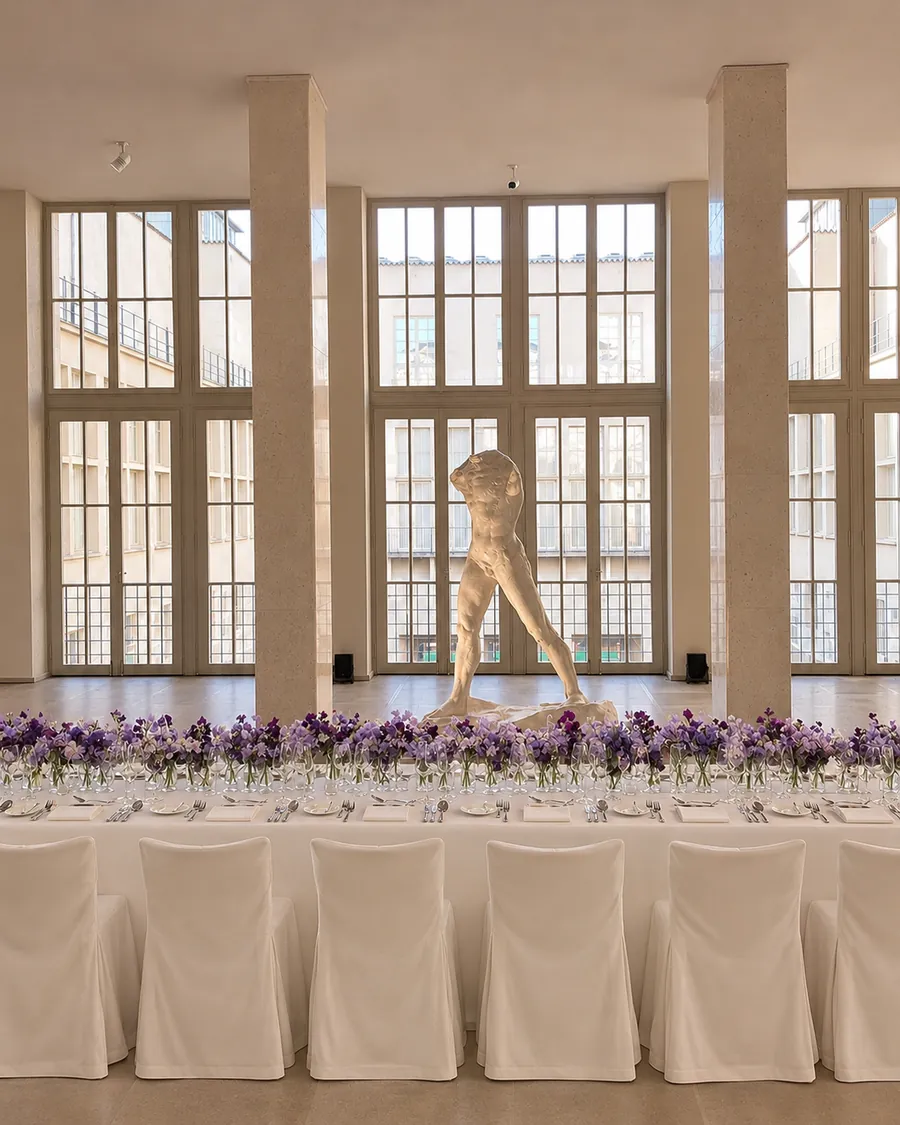
A gala dinner has more moving parts than almost any other private event format — formal seating, multiple courses, often a programme of speeches or entertainment alongside the meal. Here's what to plan for.
01Menu that works for a large, formal setting
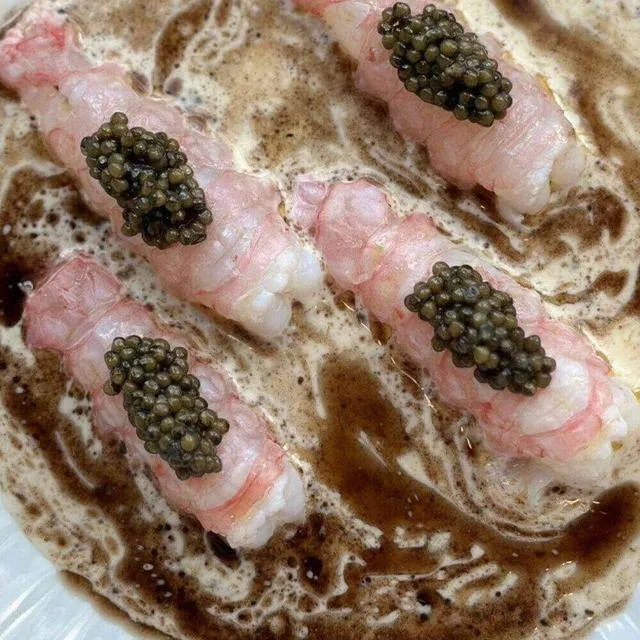
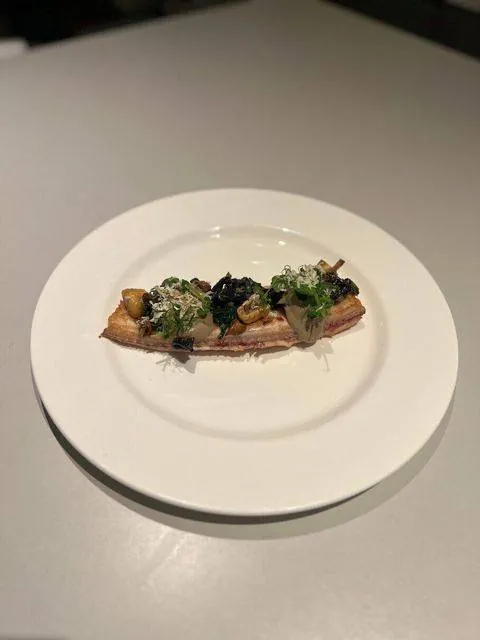
A gala menu needs to scale gracefully — dishes that hold their quality and presentation across a large guest count, timed to work smoothly with any speeches or programme elements planned for the evening.
02Staffing for formal service
Gala dinners typically need dedicated wait staff alongside the kitchen team, ensuring formal, coordinated service across every table rather than a more relaxed self-serve format.
03Timing around the programme
If the evening includes speeches, awards, or entertainment, the menu and service timing need to be built around that structure — courses paced to avoid awkward gaps or rushed transitions between the meal and the programme.

04Dietary requirements at scale
With a larger guest list, dietary requirements become more complex to manage — a clear process for collecting this information in advance and building it into the menu design is essential for a smooth night.
05The venue and kitchen setup
Gala dinners often happen in venues without a full working kitchen on-site, which means planning around equipment, plating logistics, and timing well in advance — see the Gala section of the Events page for how this is typically approached.
06A single point of contact for the evening
Working with one experienced team for the full catering and bar side of a gala — rather than juggling multiple suppliers — tends to make the whole evening run far more smoothly.
See the full service page: Private Chef for Gala Dinners →

07Coordinating With Other Suppliers on the Night
A gala dinner often involves multiple suppliers working alongside the catering team — audiovisual for speeches, event production, sometimes entertainment. Sharing a clear run sheet with all parties in advance, including exactly when food service needs to pause or resume around other elements of the programme, prevents the kind of awkward overlap that can otherwise disrupt an otherwise well-planned evening.
08Building in a Contingency for the Unexpected
Even the best-planned gala dinner can hit a small snag — a speech running long, a delayed start. Building a little flexibility into the menu and service timing in advance means these common hiccups don't derail the evening's overall flow.
09Setting the Evening Up for Success
A well-planned gala dinner is the product of dozens of small decisions made well in advance — working through this checklist early gives the whole evening the best possible foundation.
10Don't Underestimate Post-Event Logistics
Planning shouldn't stop once the final course is served — confirming clean-up responsibilities, equipment removal, and venue handover timing in advance avoids a stressful, disorganised end to what should otherwise be a triumphant evening.
11A Final Word
A gala dinner is ultimately judged on how smoothly it feels to attendees — the sign of genuinely thorough planning is precisely that none of the underlying complexity is visible to your guests.
12The Sign of Good Planning
The best measure of a well-planned gala dinner is that the evening feels effortless to every guest in the room, whatever complexity sits behind the scenes.
13Questions to settle with the venue
Confirm kitchen access, power, cold storage and loading routes with the venue early, along with the timing of access for setup. Ask whether tableware, linen and glassware are provided or must be brought in. Agree the floor plan so that service routes are clear, and check any restrictions on open flames or noise. Settling these details weeks ahead prevents last-minute problems and lets the kitchen team concentrate on the food.
Planning a gala dinner? Share your guest count, venue and programme through the enquiry form to start building a plan.
Plan Your Gala DinnerFurther reading: Association of Event Organisers: event planning resources
Explore: all cuisine styles.