
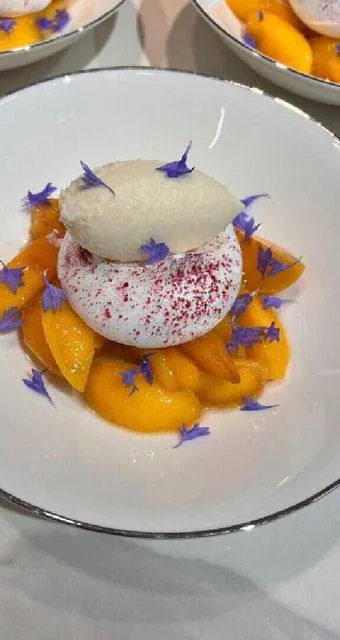
Seasonal menu planning isn't a trend or a marketing angle — it's simply how the best ingredients are used at their peak, and it shapes nearly every decision behind a well-designed private chef menu.
01Flavour is genuinely better in season
Produce picked and used at its natural peak — whether that's British asparagus in spring or stone fruit in high summer — carries more flavour and better texture than the same ingredient forced out of season, which matters directly on the plate.
02It shapes the whole menu, not just one dish
A well-planned seasonal menu builds an entire sequence of courses around what's genuinely at its best that month, rather than fitting seasonal touches around a fixed, year-round menu structure.
03It affects sourcing and sustainability
Seasonal ingredients are typically more available locally, reducing the distance food travels and generally supporting more sustainable sourcing practices than relying on imported, out-of-season produce year-round.
04It keeps menus feeling fresh
A private chef who plans seasonally naturally avoids repeating the same menu twice — the ingredients genuinely change through the year, which keeps returning clients experiencing something new each time.
05How this shows up across the menu range
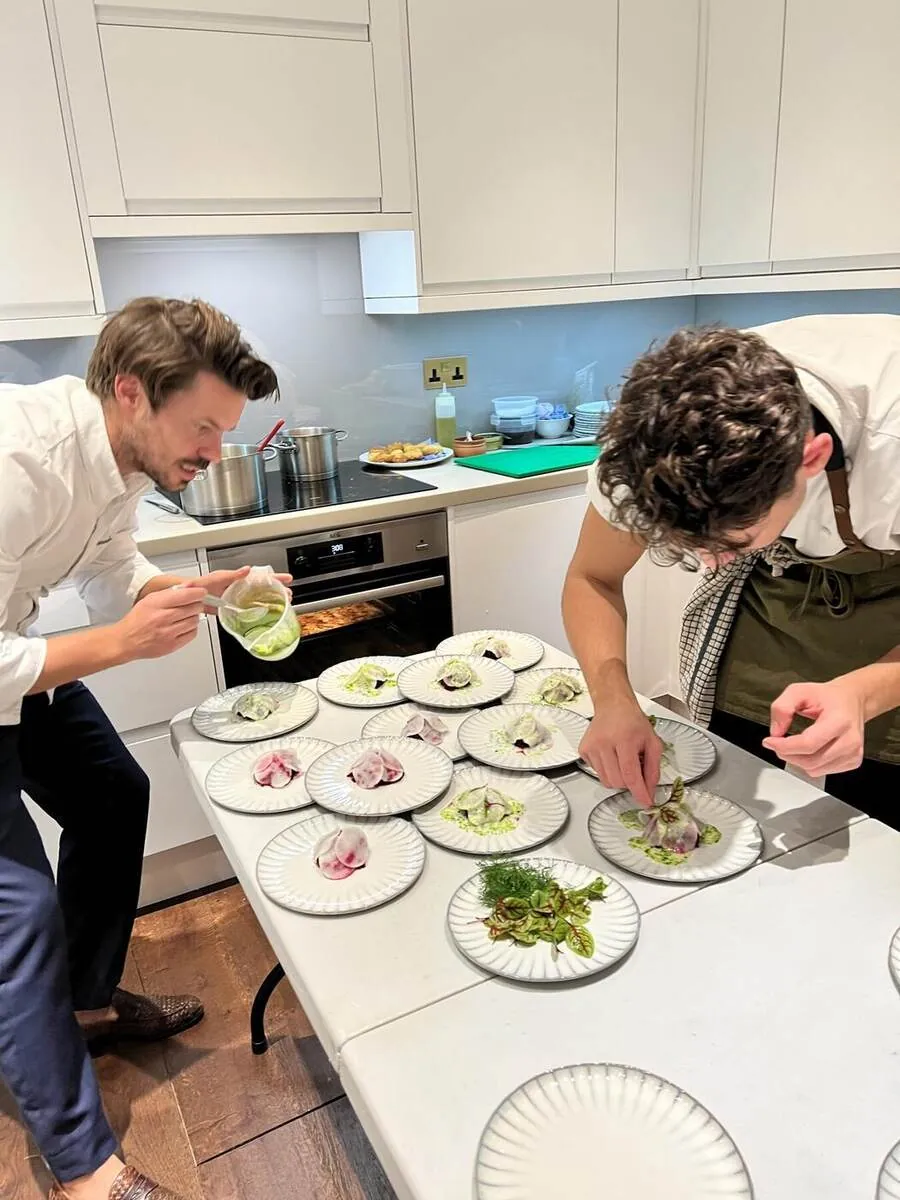
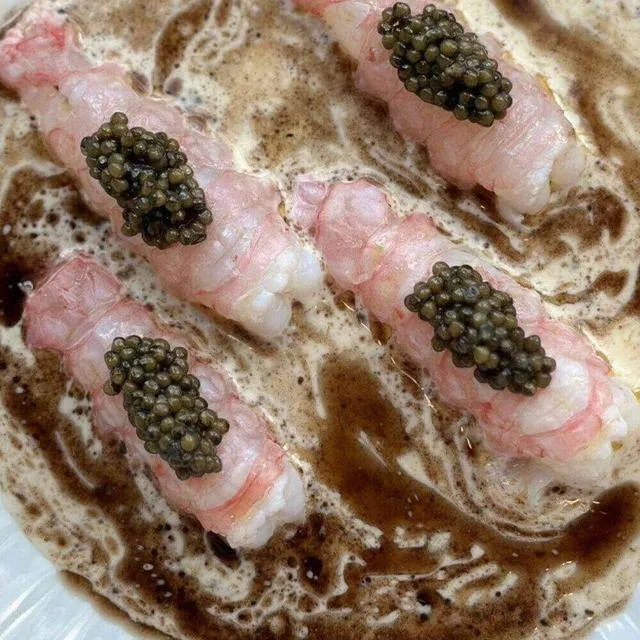
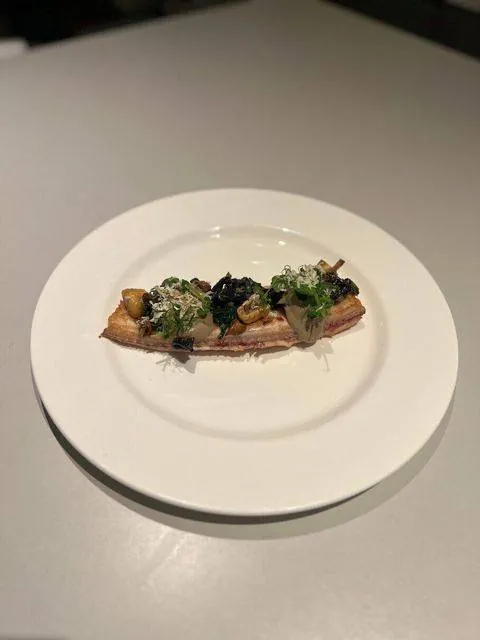
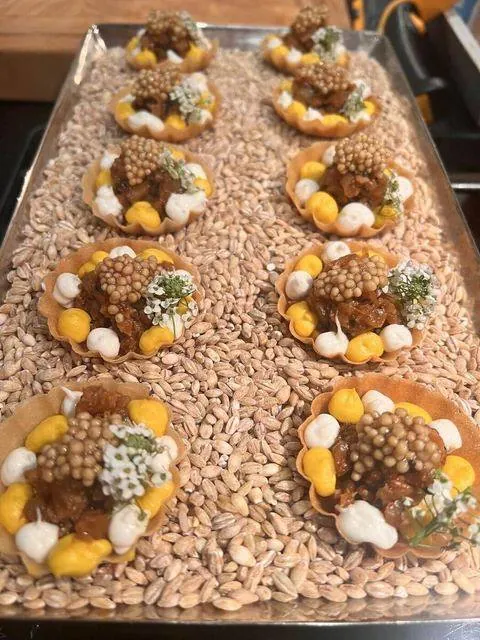
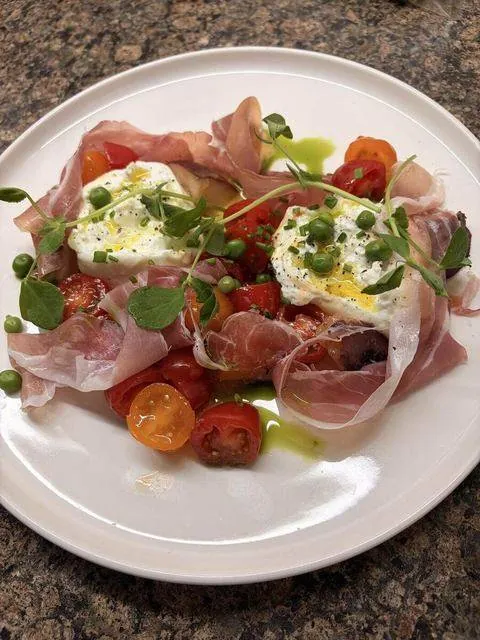
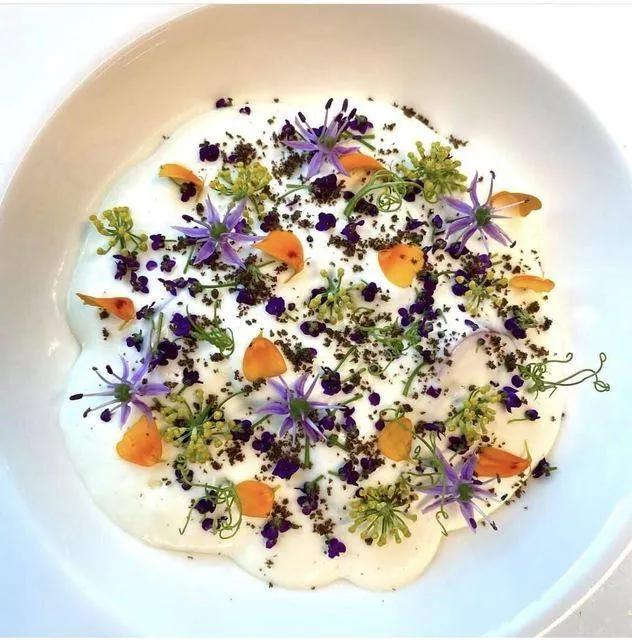
The dishes shown on the Menus page reflect ingredients at their best, adjusted through the year as seasons shift — part of why the same menu category can look meaningfully different depending on when your event falls.
06How Seasonality Connects Back to Storytelling
Beyond flavour and sustainability, a seasonal menu naturally tells a story about time and place — spring's first asparagus, high summer's stone fruit, autumn's game and root vegetables. This narrative thread running through a menu adds a layer of meaning that a fixed, unchanging menu simply can't replicate, regardless of how technically well-executed it might be.
07How This Affects Menus for Events Booked Far in Advance
For events booked many months ahead, the exact seasonal ingredients available on the day can't always be locked in with certainty. A good chef plans around this by designing a menu structure that can flex slightly to whatever is genuinely best in season closer to the actual date.
08Better Food, Naturally
Seasonal planning isn't a constraint on a menu — it's what allows every dish to be the best possible version of itself, using ingredients at exactly the right moment.
09A Small Shift With a Big Impact
Adopting a seasonal mindset is one of the simplest changes that meaningfully improves food quality, whether you're planning a single dinner party or an ongoing meal prep arrangement — a small shift in approach with a genuinely noticeable impact on the plate.
10One Last Thought
Next time you're offered a seasonal menu, it's worth asking what's currently at its best — the answer often reveals genuine expertise and care that goes well beyond simply following a trend.
11Simple, But Not Simplistic
Cooking with the seasons is one of the oldest ideas in food, and still, consistently, one of the best.
12In Short
When in doubt, ask what's in season — it's one of the simplest questions that consistently leads to the best possible dish.
13How seasonality changes a menu in practice
In spring a menu might lean on asparagus, peas and young herbs, while summer brings tomatoes, stone fruit and shellfish, autumn turns to mushrooms and game, and winter favours roots, slow-cooked dishes and citrus. Cooking this way is not a restriction but a way of using ingredients when they taste best and are usually at their most affordable in effort and quality. Guests notice the difference in flavour, even if they could not say why, and the menu feels connected to the time of year.
Planning an event and want a menu that makes the most of the current season? Get in touch through the enquiry form to start the conversation.
Plan a Seasonal MenuFurther reading: BBC Good Food: seasonal produce calendar
Explore: Italian private chef, all cuisine styles.