
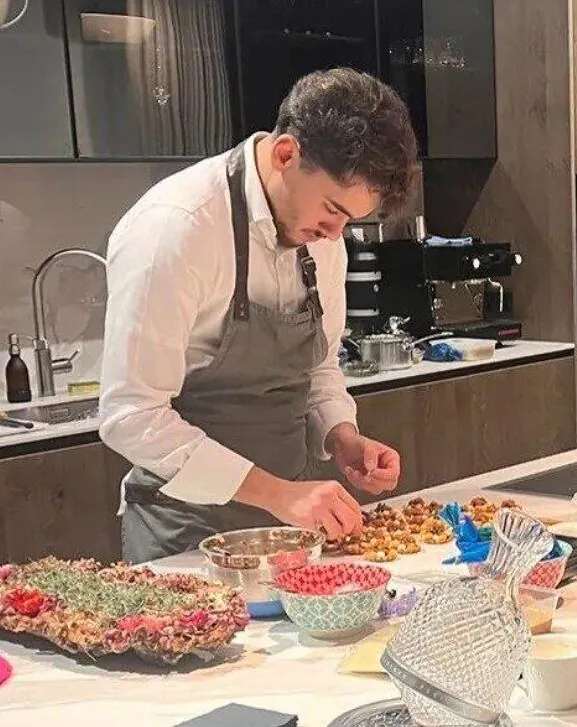
For larger or more significant events, a consultation — sometimes including a tasting — is a valuable step before the final menu is locked in. Here's what it typically involves.
01Discussing the occasion in detail
A proper consultation goes beyond guest count and date, into the feel of the event, your priorities, and anything specific you want the evening to include or avoid.
02Talking through menu direction
This is the moment to explore options — a tasting menu, a more relaxed format, a themed approach like Spanish-inspired cuisine — and settle on a direction before detailed planning begins.
03Covering dietary requirements thoroughly
Any allergies, intolerances or preferences across your guest list should be discussed in detail here, so they're built into the menu from the outset rather than adjusted later.
04Sampling dishes, where offered
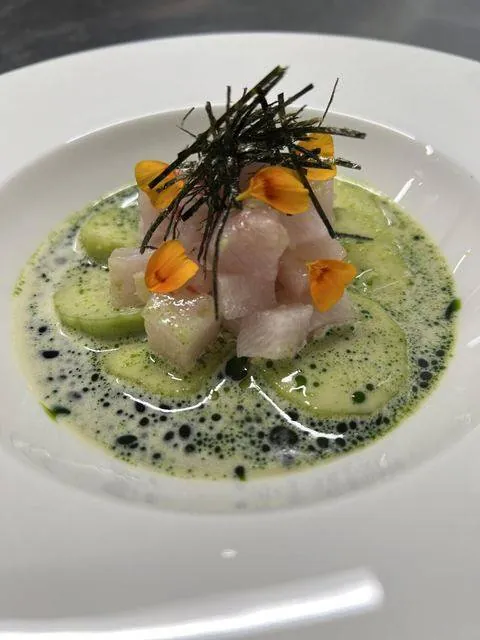
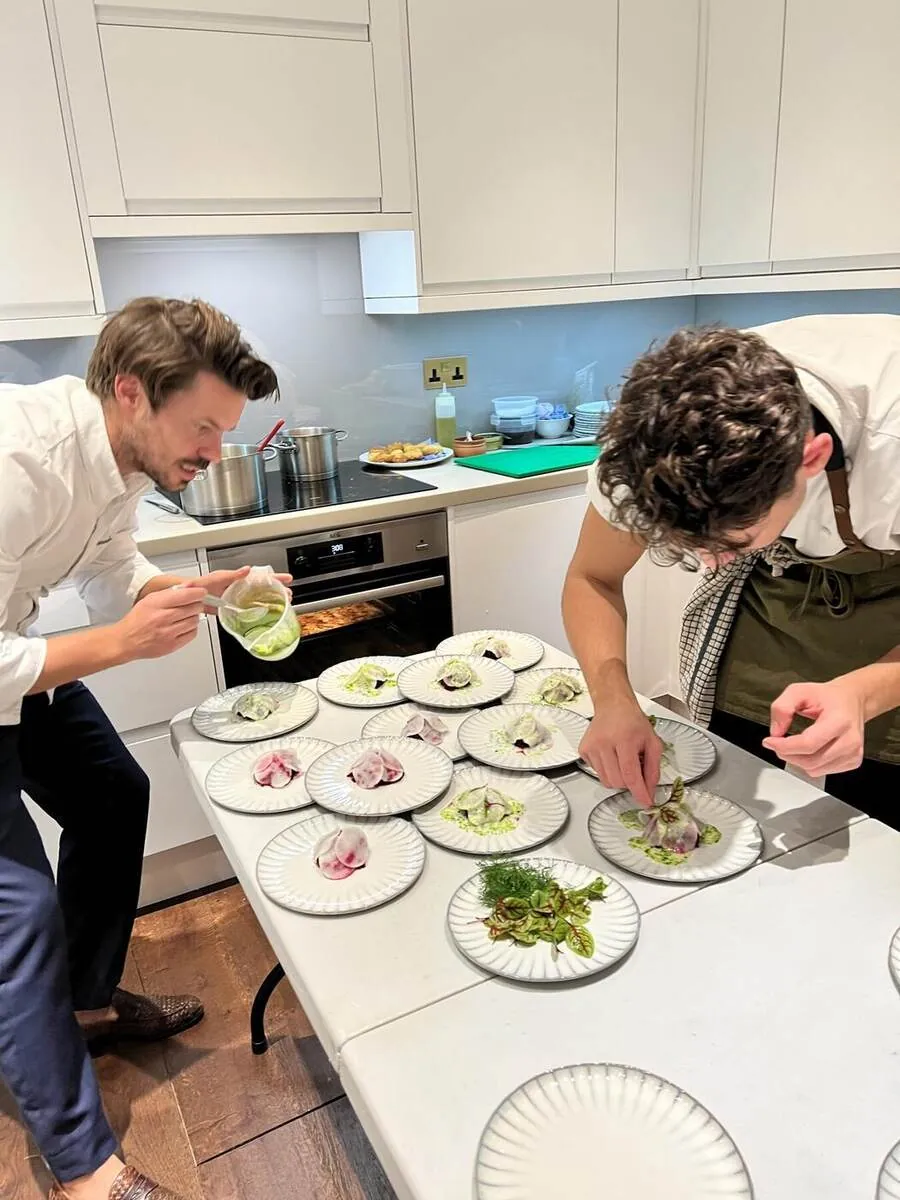
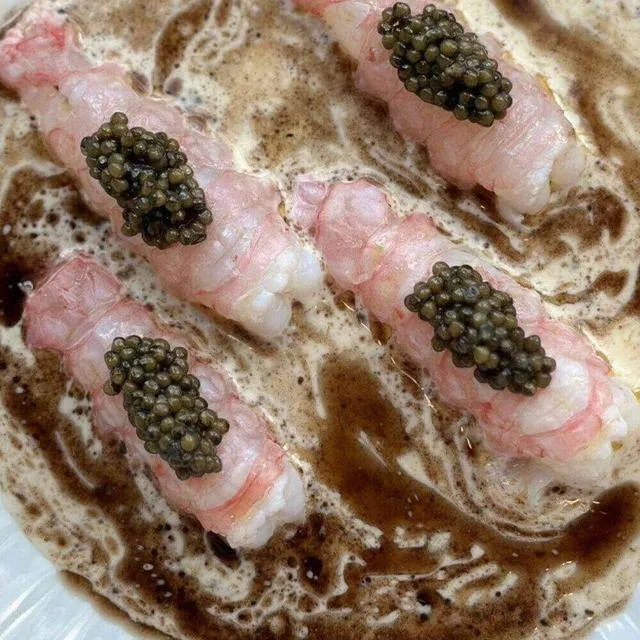
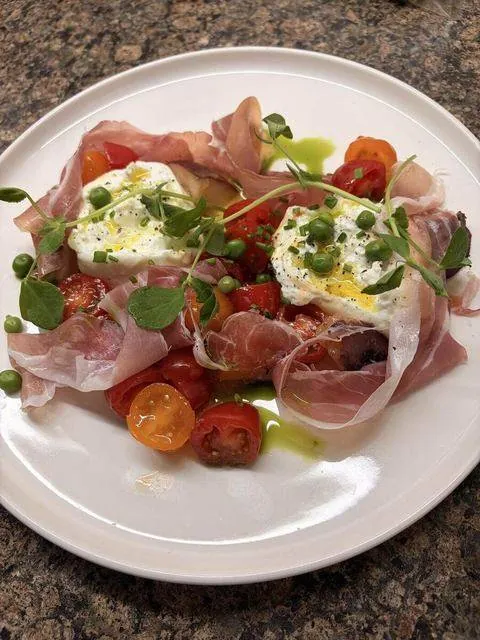
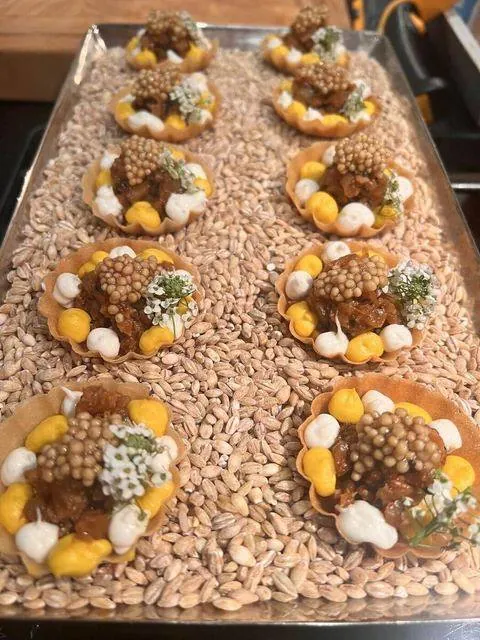
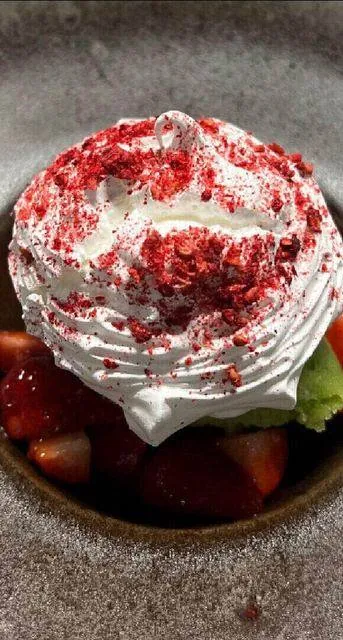
For significant events like weddings or milestone celebrations, an actual tasting of proposed dishes may be arranged, giving you a real sense of the food before committing to the full menu.
05Agreeing the final details
By the end of the consultation, you should have a clear menu direction, an understanding of what's included in the quote, and a realistic sense of timing for the event itself.
06Why this step matters
A proper consultation removes guesswork on both sides — you get confidence in what's being planned, and the chef gets the detail needed to deliver an evening that genuinely fits your expectations.
07Making the Most of the Conversation
Coming to a consultation with a few concrete reference points — a dish you've loved elsewhere, a specific memory you'd like reflected in the menu, or simply an honest sense of your own tastes — tends to produce a far more productive conversation than starting from a completely blank slate. The more genuine detail you bring, the more the finished menu will feel like it was designed specifically for you.
08What Happens After the Consultation Concludes
Following the consultation, you should receive a written summary of what was discussed and agreed, along with a clear next step — whether that's a formal quote, a proposed menu draft, or confirmation of your booking details.
09Setting Your Event Up Right
A thorough consultation early in the process is one of the simplest ways to ensure the rest of your event planning goes smoothly, with no surprises later on.
10Treating It as a Genuine Two-Way Conversation
The best consultations feel like a genuine back-and-forth rather than a one-sided sales pitch — both sides asking questions, both sides refining the plan together until it feels right for your specific event.
11A Final Encouragement
Don't hesitate to ask detailed, even overly specific questions during a consultation — this is exactly the moment for it, and it's far better than discovering a mismatch on the night of the event itself.
12Time Well Spent
A thorough consultation is rarely wasted time — it's the foundation everything else about your event gets built on.
13In Short
A good consultation removes guesswork on both sides, well before the pressure of the actual event night arrives, leaving both host and chef with a clear, shared sense of exactly what the finished evening will look like.
14How to get the most from the conversation
Come with a clear idea of the occasion, the atmosphere you want and anything your guests cannot eat. Be honest about flavours you dislike, because that saves time. During a tasting, take notes on what you enjoyed and what felt too rich or too light, and mention how the dishes might look at the table. The chef uses these reactions to refine the menu, so the final version feels closer to your taste than any first draft could be.
Ready to start the conversation about your event? Reach out through the enquiry form to arrange a consultation.
Arrange a ConsultationFurther reading: Hitched: planning wedding catering and tastings
Explore: all cuisine styles.