
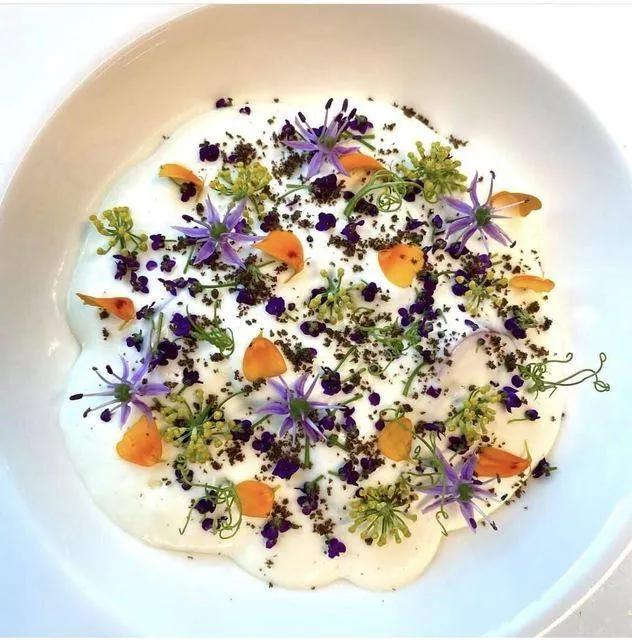
There's a particular kind of magic in a dinner for four to six people done really well — every detail is more visible, every course more noticed, than it would be at a larger event. Getting it right rewards genuine attention to detail.
01Every course gets noticed
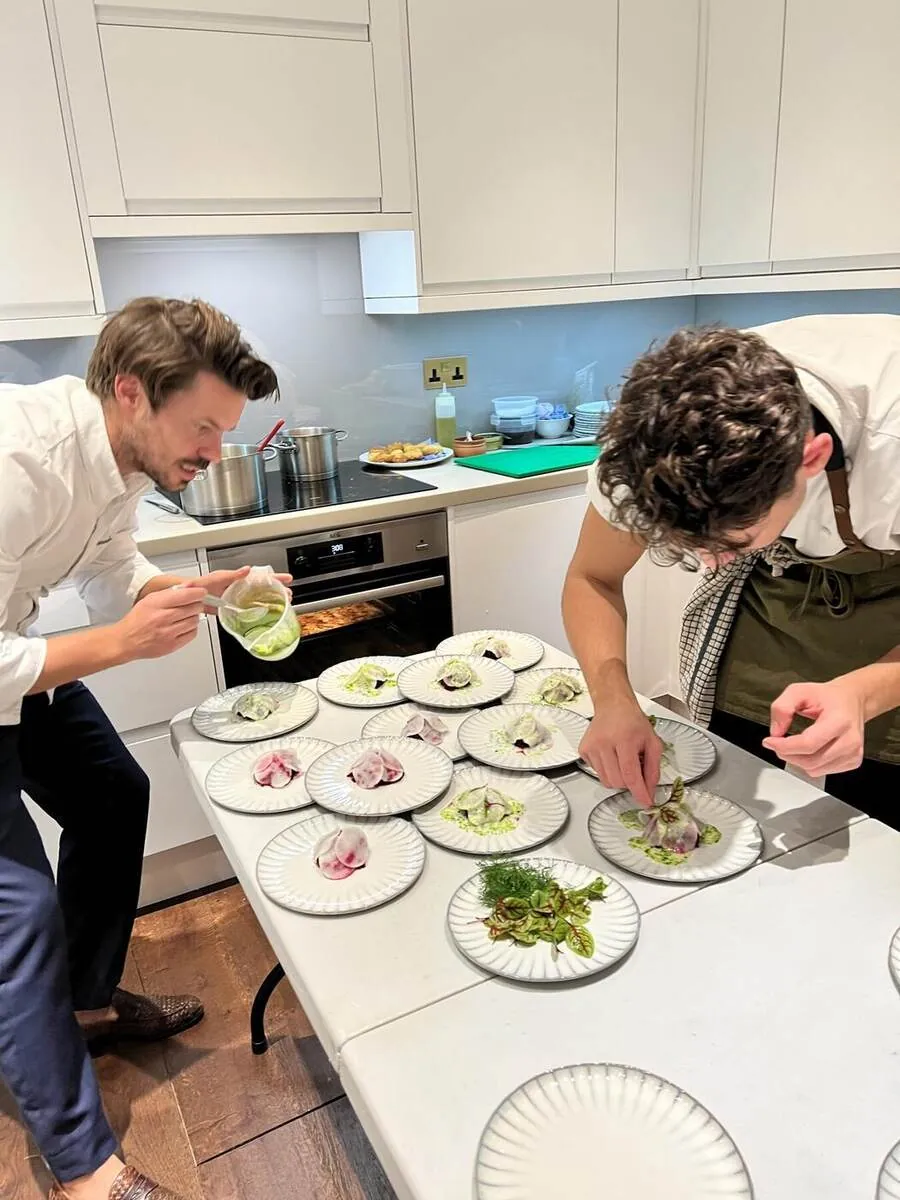
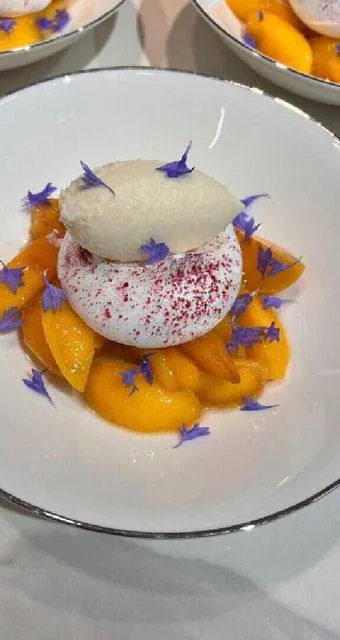
With fewer guests, there's nowhere for a course to hide — plating, seasoning, and timing all get more scrutiny than they would across a larger table, which is exactly why a small dinner is a chance to showcase real technique.
02The menu can be more ambitious
A smaller guest count often allows for a more elaborate, multi-course tasting menu than would be practical at scale — more intricate dishes, more courses, and more considered pairings, drawing on the fuller range shown across the Menus page.
03Personal touches matter more
With a small group, personalising the menu around specific guests — a favourite ingredient, a dish tied to a memory, a dietary preference handled with real care — has a much bigger impact than it would across a large table where individual attention is naturally diluted.
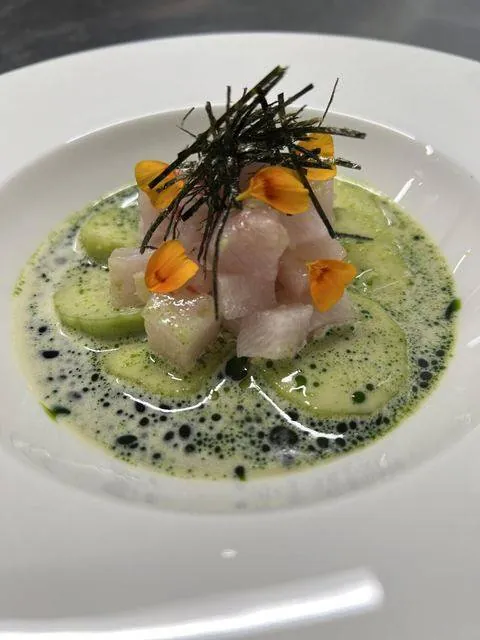
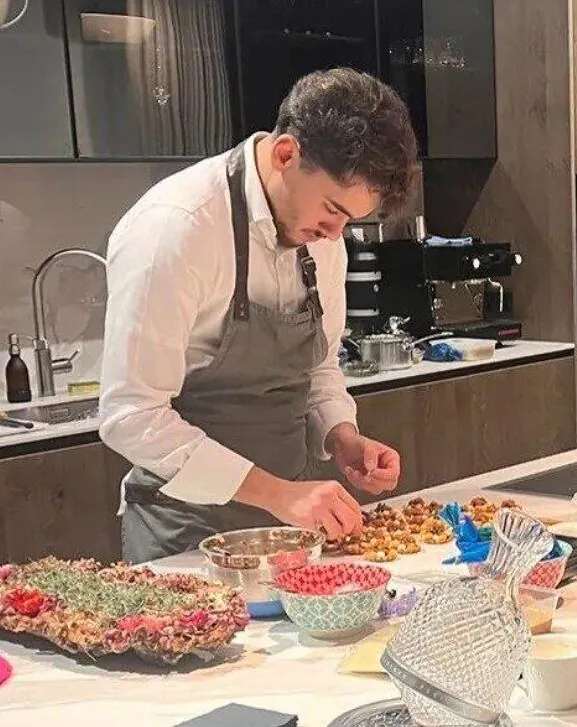
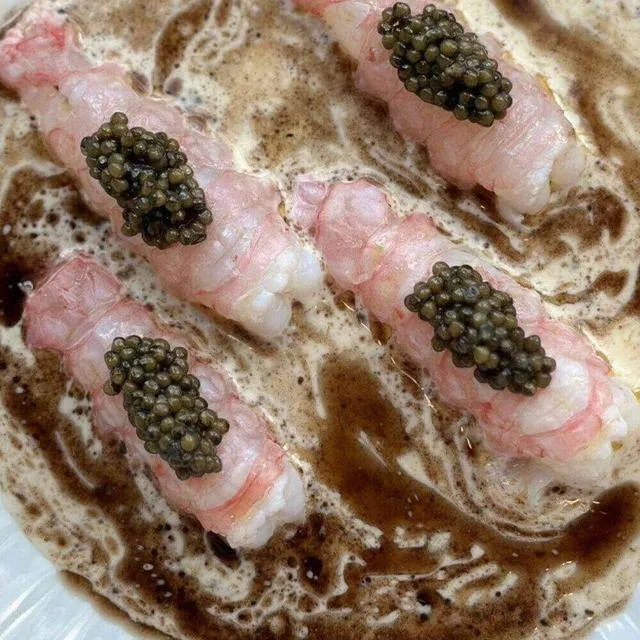
04The pace of the evening changes
Intimate dinners tend to move more slowly and conversationally than larger events, which means course timing can flex around the natural rhythm of conversation rather than a strict schedule.
05The setting deserves the same care as the food
Table setting, lighting, and atmosphere matter more when there are fewer distractions — a well-considered intimate dinner treats the whole environment, not just the food, as part of the experience.
See the full service page: Private Chef for Intimate Dinners →
06Why Fewer Guests Doesn't Mean a Simpler Evening
It's a common misconception that a smaller guest list means less planning is required. In practice, an intimate dinner often demands more careful thought — every detail is amplified, every silence between courses more noticeable, every dish more closely tasted and remembered. Treating a small dinner with the same seriousness as a much larger event, rather than less, is exactly what produces the best results.

07Choosing the Right Setting for a Small Gathering
Beyond the food, the physical setting matters more for a small dinner than a large one — a cosy, well-lit corner of your home often suits an intimate gathering better than a large, more formal dining room that can feel oddly empty with only a handful of guests.
08Small Guest List, Big Impact
An intimate dinner, done with real care and attention to detail, can leave a far bigger impression than a much larger, more elaborate event — proof that scale isn't what makes an evening memorable.
09A Format Worth Requesting More Often
Many hosts default to larger gatherings for celebrations without considering that a smaller, more intimate dinner might actually suit the occasion better — worth genuinely considering next time you're planning a special evening, rather than assuming bigger is automatically better.
10A Closing Thought
If you've never hosted a truly intimate dinner before, it's worth trying at least once — the intensity and warmth of the experience often surprises even seasoned hosts of larger events.
11Why fewer guests allows more detail
With a smaller table, a chef can adjust seasoning course by course, time dishes to the conversation and plate each portion individually with care. There is room for unusual ingredients that would be impractical for a large crowd, and the host and chef can talk through the menu together beforehand. Guests tend to remember small gestures from an intimate dinner, such as a dish that references a shared memory or a table set exactly the way the host imagined.
Planning an intimate dinner for a small group? Share your guest list and occasion through the enquiry form to start designing the evening.
Plan Your Intimate DinnerFurther reading: Condé Nast Traveller: the art of intimate hosting
Explore: Pan-Asian private chef, all cuisine styles.