
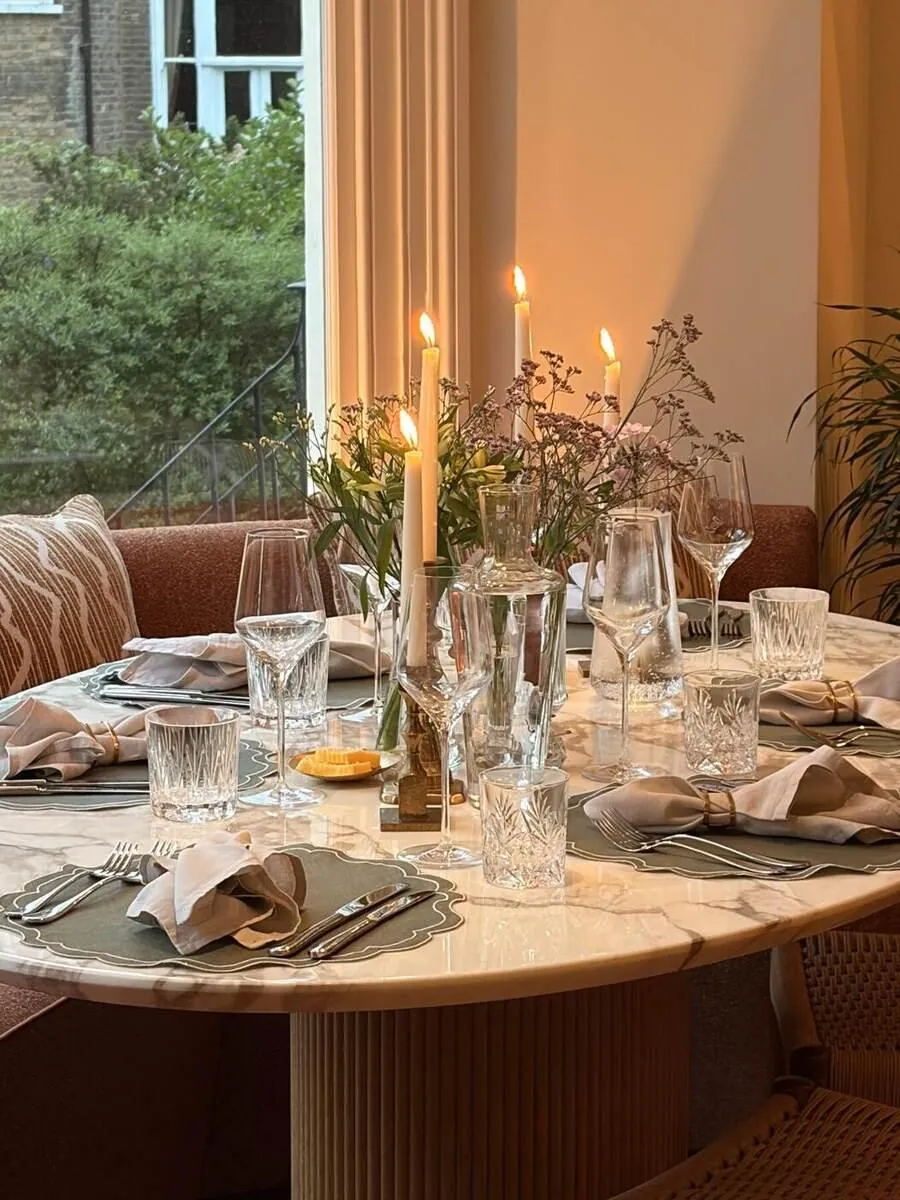
A thoughtfully paired wine list can elevate a tasting menu as much as any individual course — but good pairing is about genuine balance, not simply matching red meat to red wine on autopilot.
01Pairing by weight, not just colour
The classic red-with-meat, white-with-fish rule is a starting point, not a rule to follow blindly — what actually matters is matching the weight and intensity of the wine to the dish, which sometimes means a lighter red with fish or a fuller white with poultry.
02Considering acidity and richness
A rich, buttery dish often benefits from a wine with enough acidity to cut through it, refreshing the palate between bites rather than compounding the richness of the course.
03Building a progression across the meal
Like the food itself, a wine pairing across a full tasting menu should progress — generally moving from lighter wines earlier in the meal toward fuller-bodied options as the courses become richer.
04Pairing with a Spanish menu specifically
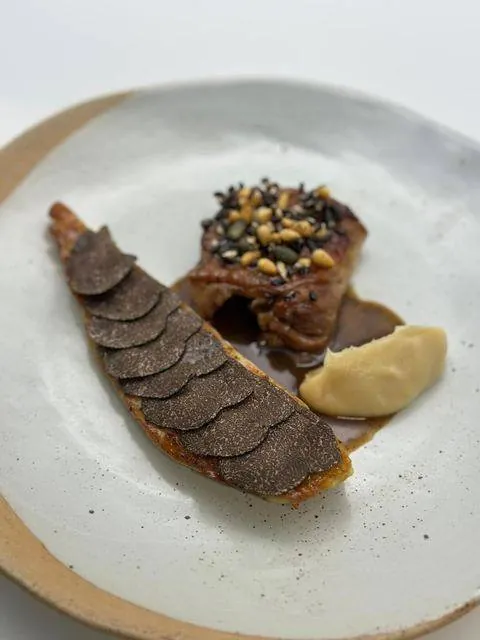
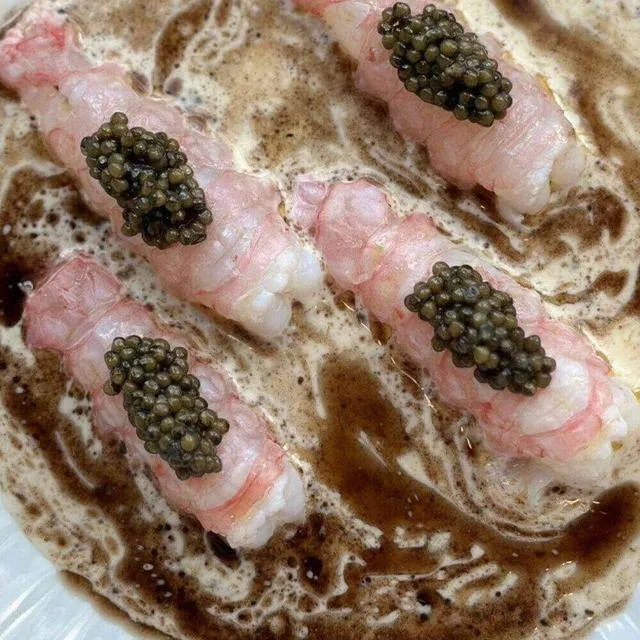
A Spanish-themed evening pairs naturally with sherry, cava, or Spanish reds and whites, adding an authentic layer to a menu like the one on the Spanish Heritage page.
05Working with what you already have
For clients with their own wine collection, a private chef can design the menu around specific bottles you want to serve, rather than starting from scratch on the wine side.
06Non-alcoholic pairing options
A well-designed pairing menu also considers non-alcoholic options — carefully made alternatives that complement the food just as thoughtfully as the wine list.
07What to Do if You're Not a Wine Expert Yourself
You don't need deep wine knowledge to end up with an excellent pairing — sharing your general preferences (do you tend to enjoy bold reds, crisp whites, something in between) gives more than enough to work from. A good pairing recommendation should always come with a brief, jargon-free explanation of why each wine was chosen, so the experience feels informative and enjoyable rather than intimidating.
08Keeping the Pairing List Manageable
For most private dinners, pairing each course with a full, separate bottle isn't necessary or practical — a well-chosen handful of wines that flow naturally across the whole meal tends to work better than an overly complex, course-by-course pairing that can slow down the evening.
09Enhancing, Not Complicating, the Meal
Good wine pairing should feel like a natural extension of the menu, not a separate, complicated exercise — done well, it enhances the food without anyone needing to think too hard about it.
10A Detail That Elevates the Whole Evening
Thoughtful wine pairing is one of those details that guests may not consciously notice when done well, but would certainly notice if done poorly — proof that some of the best hospitality details work quietly in the background.
11A Final Thought
The best pairing isn't necessarily the most expensive or impressive bottle — it's the one that genuinely makes both the wine and the dish taste better together than either would alone.
12A Quiet Kind of Excellence
The best pairings are rarely the ones guests comment on directly — they're simply the reason the whole meal felt seamless.
13Simple principles that work
Pair weight with weight, so light dishes go with light wines and rich dishes with fuller bodies. Match acidity to acidity, which is why a crisp white suits seafood and fresh salads, and let sweet desserts be paired with something equally sweet or higher in acidity. When in doubt, regional pairings, such as Spanish wines with Spanish food, tend to work naturally. A chef can adjust seasoning on the day to suit the bottles you have chosen.
Want your menu paired with wine, or built around bottles you already own? Mention it through the enquiry form when planning your event.
Discuss Wine PairingFurther reading: Decanter: wine and food pairing guidance
Explore: Italian private chef, South American private chef, all cuisine styles.