

Turning a macro target into an actual week of meals you'll genuinely enjoy eating is where meal prep planning either succeeds or falls flat — and it's a skill in its own right, separate from simply knowing the numbers.
01Starting with your numbers
Whatever your target — a set daily protein goal, a calorie range for a specific phase of training, or general balanced eating — planning starts by understanding exactly what you're working toward and any preferences or restrictions that shape it.
02Building variety within the targets
Hitting the same macro numbers every day doesn't mean eating the same meals on repeat. A well-planned week rotates proteins, cooking styles and flavour profiles while staying consistent with your targets — the difference between a meal plan you stick to and one you abandon after a fortnight.
03Portioning for consistency
Meals are portioned precisely so the macros are accurate without you needing to weigh anything yourself — each meal arrives ready to eat, already aligned with your plan.


04Adjusting as things change
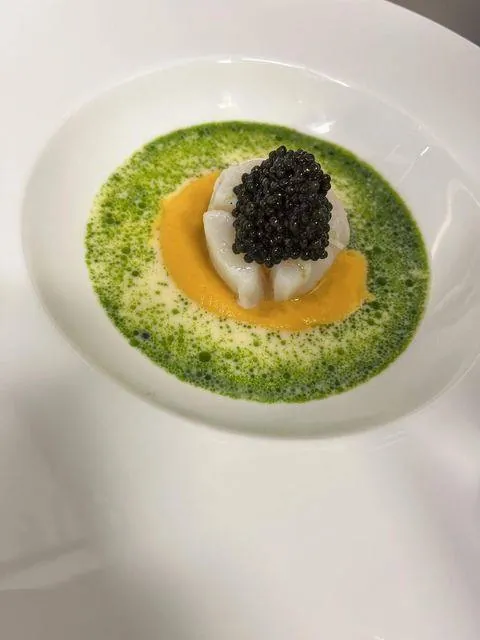
Training loads, schedules and goals shift over time, and a good meal prep plan adjusts with them — a heavier training week might call for more carbohydrates, while a lighter week shifts the balance accordingly.
05Why this beats generic templates
A template meal plan, however well designed, doesn't know your actual preferences, allergies, or which proteins you're tired of eating by week three. A private chef builds a rotation specifically for you, which is what makes the Meal Prep menu approach genuinely different from a generic plan.
See the full service page: Private Chef for Athletes →
06Adjusting the Plan as Your Goals Evolve
Nutrition goals aren't static — someone training for a specific event might need more carbohydrates in the lead-up, while someone in a maintenance phase might prioritise variety and enjoyment over strict targets. A meal prep plan that can evolve alongside these shifting goals, rather than staying fixed indefinitely, tends to serve clients far better over months and years than a one-size-fits-all approach locked in from the very first week.

07Keeping Meals Interesting Over the Long Term
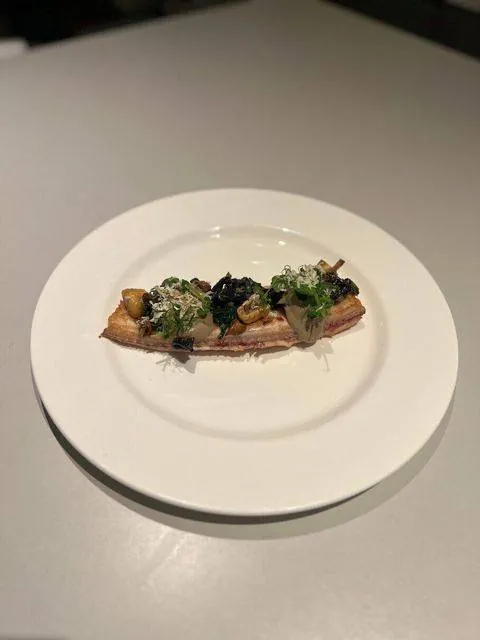
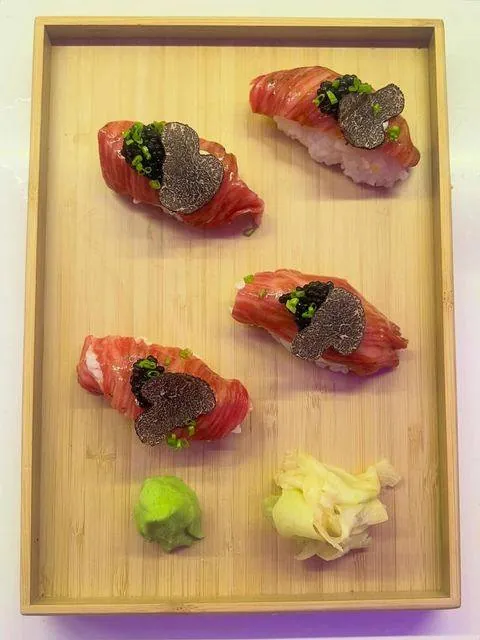
A meal plan that repeats the same handful of dishes indefinitely tends to lose its appeal within a few weeks, regardless of how well it hits your numbers. Genuine variety in cooking style and flavour profile, while staying within the same macro framework, is what makes a meal prep plan sustainable for months rather than just a couple of weeks.
08A Plan Built Around You
The real value of this kind of planning isn't just hitting numbers — it's having a week of food genuinely designed around your goals, your preferences, and your actual life.
09Why This Beats a Generic App-Based Meal Plan
Unlike a nutrition app that generates a meal plan from a database of recipes, a private chef genuinely tastes, adjusts and refines dishes specifically for your palate over time. This human feedback loop — noticing what you actually enjoy eating, not just what technically fits your macros — is something no algorithm can fully replicate.
10Keeping food enjoyable while hitting targets
Hitting a protein target is easy if you are happy eating the same chicken and rice every day, and hard to sustain for more than a fortnight. A private chef plans around that problem by varying cuisines, textures and sauces so the same nutritional targets arrive in very different meals. Herbs, marinades and good seasoning do much of the work. The result is a week of food you look forward to eating, with portions prepared and labelled so there is nothing to weigh, track or decide when you are tired after training.
Ready to have your weekly meals planned around your actual goals? Share your targets and preferences through the enquiry form.
Plan Your WeekFurther reading: Precision Nutrition: understanding flexible macro planning
Explore: all cuisine styles.