
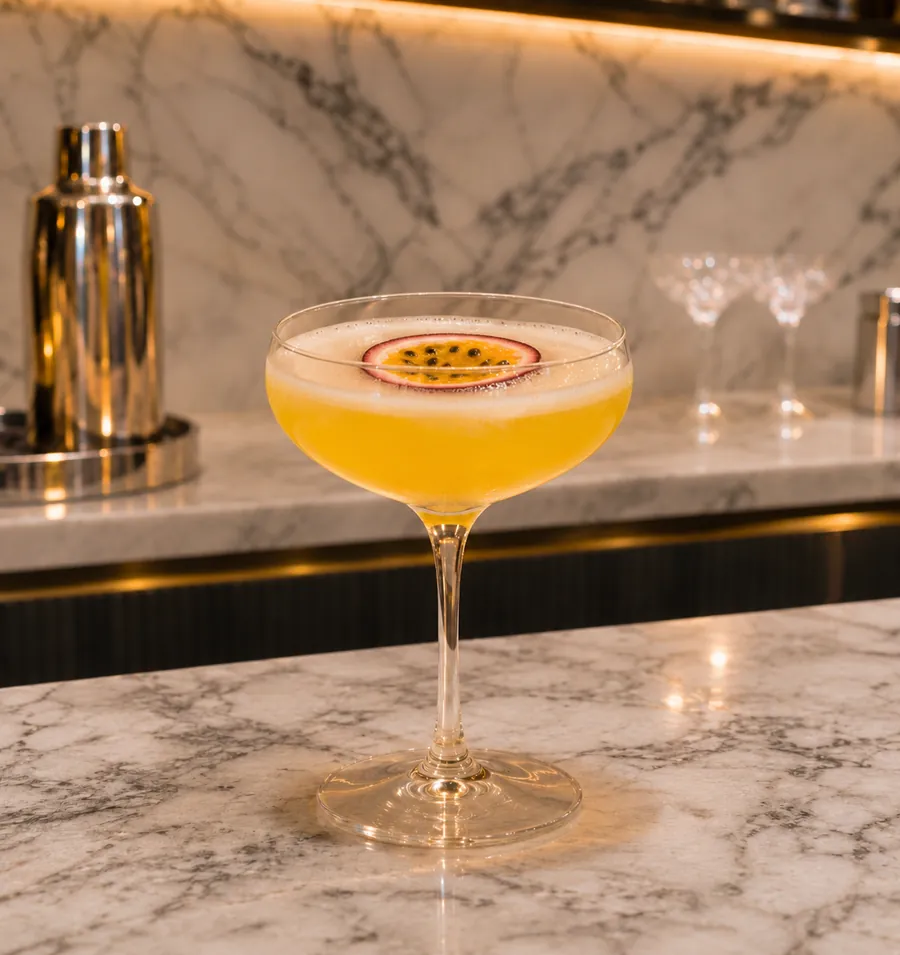
A good alcohol-free cocktail is built like any other cocktail: balance of sweet, sour and bitter, fresh ingredients, proper ice, the right glass and a garnish. Offer two or three proper serves rather than juice and soda, and treat them as a feature of the menu, not an apology to drivers and non-drinkers.
Alcohol-free cocktails for events are now part of almost every drinks plan, not an afterthought. Alejandro Nicolau, a London private chef trained under Martin Berasategui, works with bartenders at private dinners, weddings and company events across London, where alcohol-free serves are now part of almost every drinks plan. This guide covers how to build them well.
01What makes a good alcohol-free cocktail?
Alcohol brings sweetness, bitterness, texture and a little heat. Take it out and the drink can taste thin or sugary unless something replaces those elements.
- Acidity: fresh lemon, lime, grapefruit or verjus to give brightness.
- Bitterness: tea, citrus peel, tonic or a non-alcoholic bitter to give structure.
- Texture: egg white or aquafaba, a little sugar syrup or a good sparkling element to give body.
- Aroma: herbs, spices and zest, expressed over the glass.
Get these right and a drink with no spirit in it can sit comfortably next to anything else on the menu.
02What are five alcohol-free cocktails to try at an event?
- Passion fruit sour: passion fruit, lime and a touch of sugar shaken with aquafaba for a foam, served in a coupe.
- Rosemary and grapefruit spritz: grapefruit juice and a rosemary syrup topped with sparkling water.
- Spiced pear and ginger: pear juice, fresh ginger and lemon over ice, finished with a cinnamon stick, good for winter.
- Cucumber and elderflower cooler: cucumber, elderflower cordial and mint, long and refreshing.
- Jalapeño and lime: lime, a little agave and a slice of jalapeño for gentle heat, served with a salted rim.
Each can be batched in advance and finished to order, which keeps service fast at larger events.
03How do you make alcohol-free drinks feel special?
Presentation does as much work as flavour. If the alcohol-free drink arrives in a tumbler of juice while everyone else has a coupe, it feels like second best.
- Use the same glassware as the rest of the bar.
- Serve over good ice: large cubes melt slowly and keep drinks cold.
- Garnish with something fresh and aromatic, such as herbs, citrus peel or a slice of fruit.
- Name the drinks on the menu, in the same style as the cocktails.
See welcome cocktail ideas for events for ways to open an evening, with an alcohol-free version alongside.
04How many alcohol-free drinks do you need?
As a rule, plan one alcohol-free drink for every four or five alcoholic ones across the event, and more at lunchtime or daytime events. Include still and sparkling water on top of that.
It is better to have two good alcohol-free options that guests actually order than six that sit unused. See how many drinks per person for a party for the full planning figures.
05Which alcohol-free drinks work with food?
The best alcohol-free drinks for a dinner behave like wine: acidity to refresh, bitterness to cleanse and enough structure to stand up to the food.
- With seafood and light starters: citrus, cucumber and herb drinks.
- With rich meat dishes: spiced pear, tea-based drinks and drier, more bitter styles.
- With desserts: sparkling, lightly sweet drinks with fruit and acidity.
If the dinner is a tasting menu, a short alcohol-free pairing can follow the courses. See wine and menu pairing for a private dinner.
06What ingredients make alcohol-free cocktails work?
A few ingredients appear again and again in the best alcohol-free serves, because they fill the gaps that alcohol leaves.
- Verjus or fresh citrus for acidity that feels grown-up rather than sugary.
- Cold-brewed tea for tannin and structure, particularly in longer drinks.
- Shrubs and vinegars for savoury acidity that pairs with food.
- Herb and spice syrups made in advance, such as rosemary, ginger or cardamom.
- Sparkling water or non-alcoholic sparkling wine to finish.
Using fresh, seasonal ingredients also keeps the cost of the drinks predictable and the flavour lively.
07How do you make sure everyone feels included?
The test of a good alcohol-free menu is that guests who choose it do not feel they are missing out.
- Put the alcohol-free drinks on the same menu, not in a footnote.
- Serve them in the same glassware as the other cocktails.
- Make at least one of them as complex as the cocktails around it.
- Brief the bar team so they present them as part of the menu.
This matters at corporate events, family celebrations and any gathering where guests may not drink for religious, health or personal reasons.
08Do you need a bartender for alcohol-free drinks?
For a few guests, a host can make one or two simple serves. For a larger group, a bartender brings consistency, speed and technique, from shaking a sour properly to portioning garnishes.
A bartender can also run the alcohol-free and alcoholic menus together so that no guest waits longer for the drink they prefer. See bar and cocktail hire, and send your date and numbers through the enquiry form.
Planning an event and want the food and drinks taken care of? Send the date, guest count and any requirements through the enquiry form and the team will reply within 24 hours.
Plan Your EventExplore: bar and cocktail hire, Bar & Cocktails, private chef for dinner parties.