
A Spanish tasting menu, done properly, is a journey through the country's regions and traditions — not a handful of familiar tapas dishes served in a random order. Here's how a genuinely authentic version is structured.
01Starting with pintxos
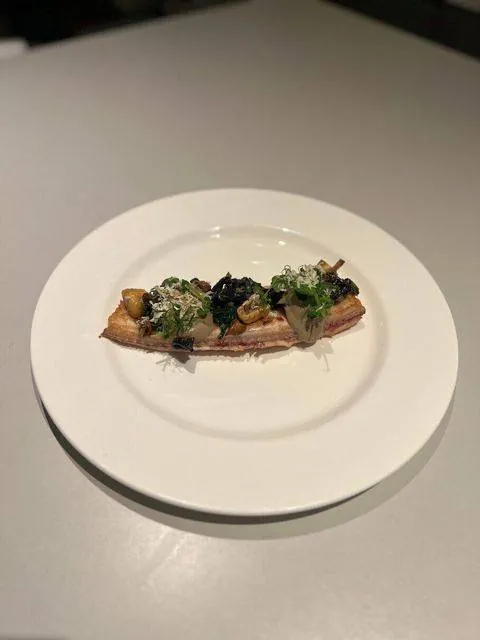
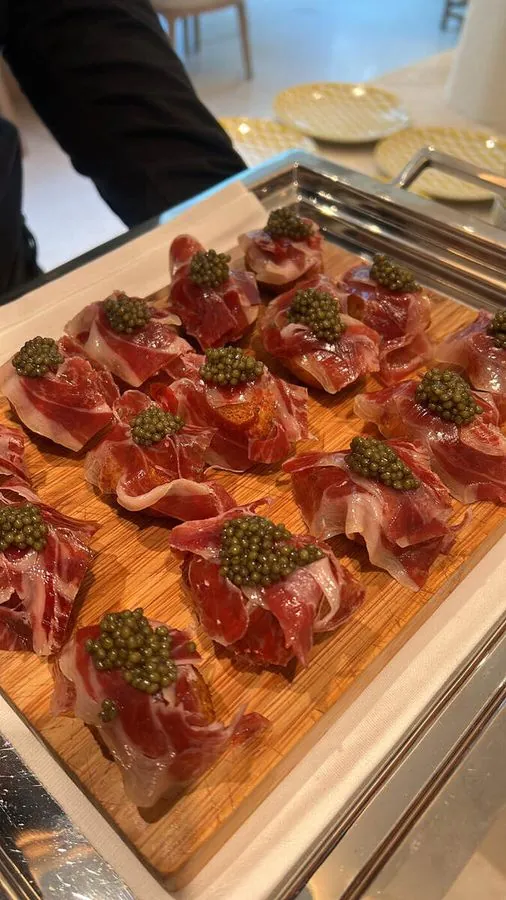
Borrowed from the Basque tradition, pintxos open the meal with small, precise bites — often on a slice of bread, always designed to be eaten in one or two mouthfuls. They set the tone: bold flavour, careful technique, nothing wasted.
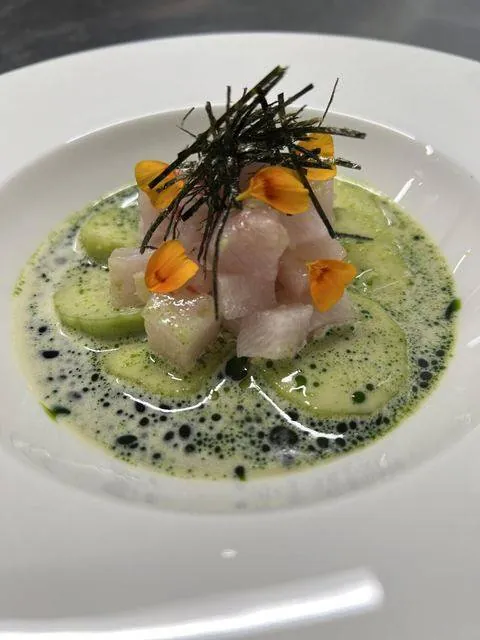
02Moving into starters and seafood
Spain's coastline shapes much of its food culture, and a proper tasting menu reflects that — fresh seafood prepared simply, letting quality speak for itself, alongside classic starters that showcase regional produce.
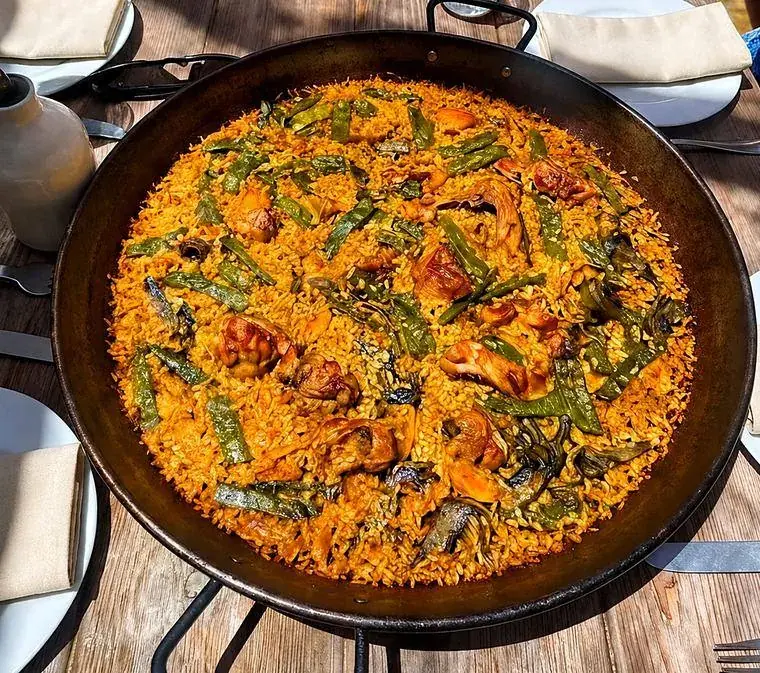
03The paella course
No Spanish tasting menu is complete without paella, and getting it right matters — the correct rice, the right pan, and the patience to achieve a proper socarrat, the crisp caramelised layer at the bottom that separates real paella from an imitation. See the full approach on the Paella section of the Spanish Heritage page.
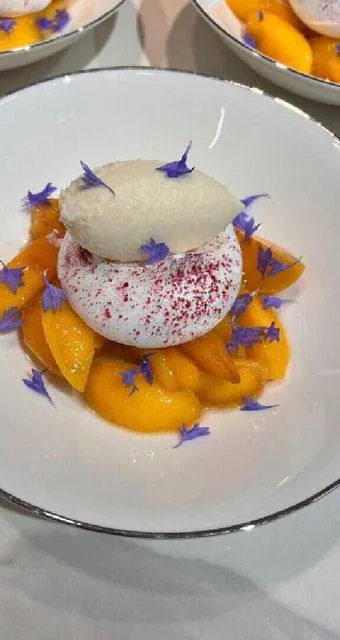

04Dessert, the Spanish way
A closing course that leans into Spanish dessert traditions — rather than a generic finish — completes the story of the meal, tying the whole tasting menu back to its regional roots.
05How it's adapted for private events
A full tasting menu can run to five or six courses for a dedicated Spanish-themed dinner, or specific elements — paella, pintxos, a Spanish-inspired starter — can be woven into a broader event menu. Both approaches work; it depends on the occasion and what you want the evening to feel like.
06How This Differs From a Typical London Tapas Restaurant
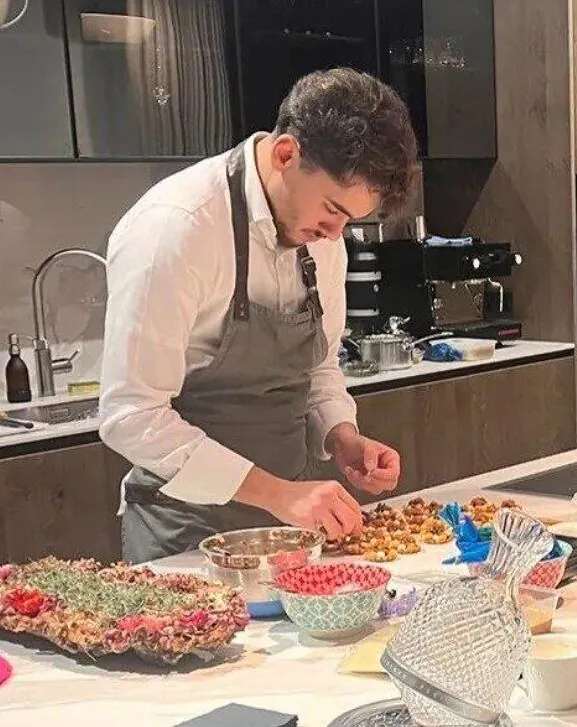
Many London restaurants serve a version of Spanish food adapted for speed and volume — smaller portions, simplified techniques, dishes designed to turn tables quickly. A private tasting menu removes those constraints entirely, allowing proper technique and full attention on each course, the way the dishes would actually be prepared and served in Spain itself. It's a meaningfully different experience from even a very good London tapas restaurant, simply because the format allows it to be.
07Adjusting the Menu for Guests New to Spanish Cuisine
For guests less familiar with Spanish food beyond the basics, a tasting menu can be designed to ease them in gently — starting with more approachable dishes before introducing bolder regional flavours later in the sequence, so the whole table stays engaged from the first course to the last.
08A Menu Worth Experiencing Properly
A well-executed Spanish tasting menu rewards guests who come with an open palate and a bit of time to enjoy each course fully — it's a meal designed to be savoured, not rushed.
09A Note on Portion Sizes
Because a tasting menu is built from several courses rather than one large plate, portions per course are intentionally smaller than a standard starter or main. This is by design — the goal is for guests to finish the full sequence comfortably satisfied, having tasted a genuine range of dishes, rather than being full after the third course and unable to appreciate what follows. Explaining this to guests unfamiliar with the tasting menu format in advance can help set expectations for a format that rewards pacing over volume.
10What makes a Spanish menu feel authentic
Authenticity comes from ingredients and restraint more than from theatrics. Good olive oil, quality cured ham, fresh seafood and seasonal vegetables do much of the work, and regional dishes are prepared the way they would be at home in Spain. Pairing with Spanish wine, cava or sherry completes the picture. A menu that respects those traditions while presenting dishes with modern precision gives London guests a real taste of Spain.
Want to build a Spanish tasting menu for your next event? Tell us about your guest list and occasion through the enquiry form.
Start Planning Your MenuFurther reading: Basque Culinary Center: pintxo culture and technique
Explore: Mediterranean private chef, all cuisine styles.