
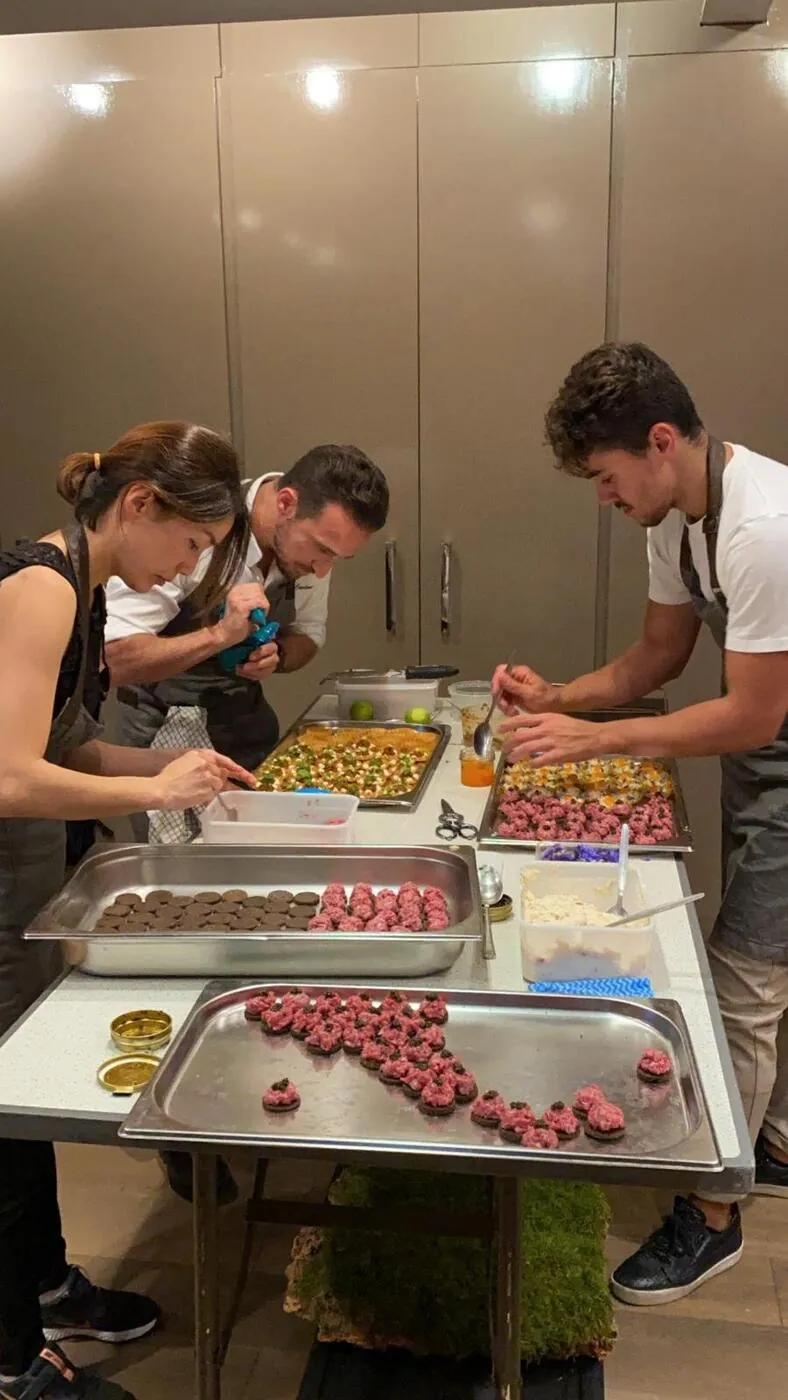
The line between "private chef" and "caterer" gets blurry, especially as event sizes grow — but the two models genuinely differ in how the food is prepared, served, and personalised.
01Where the food is cooked
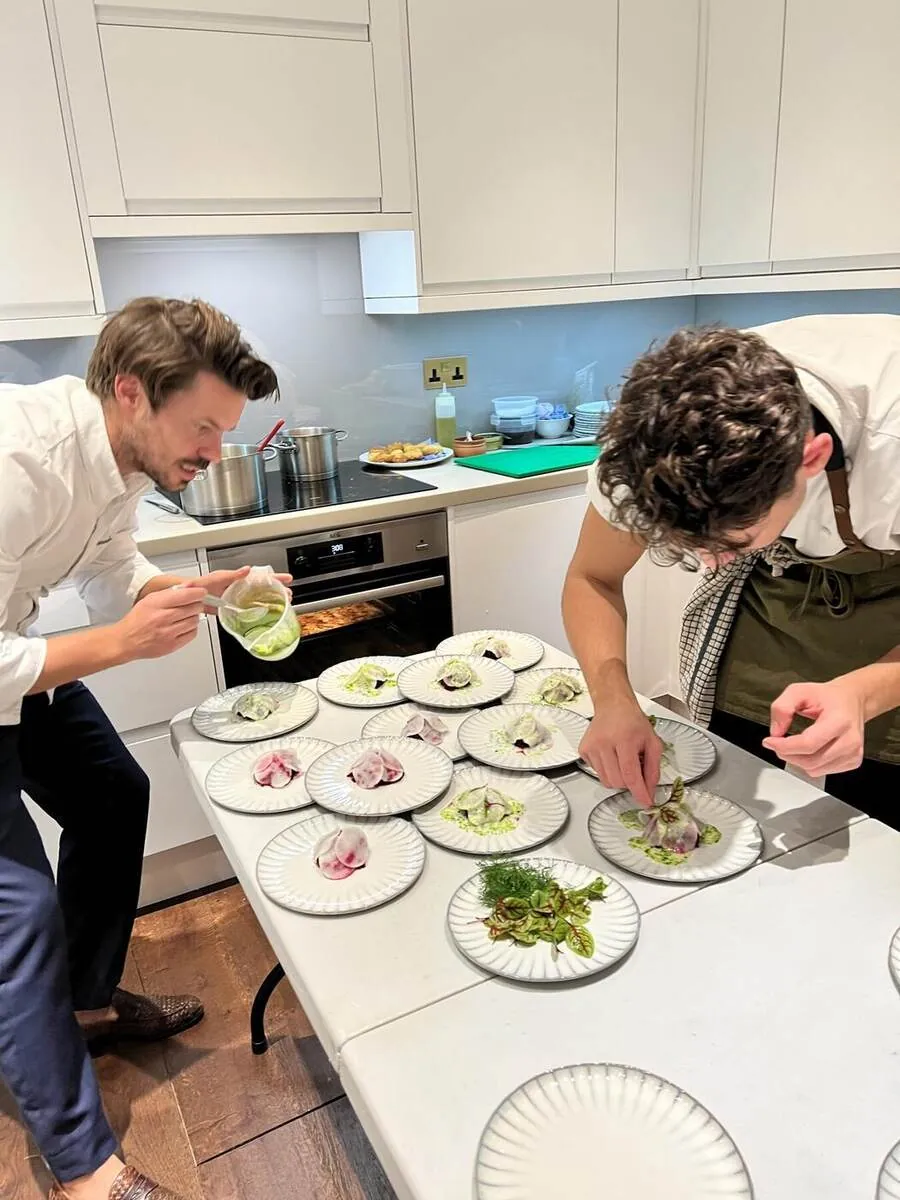
A private chef typically cooks on-site, fresh, at your venue or home — a caterer often prepares much of the food off-site in a commercial kitchen, then transports and finishes it at the venue.
02How personalised the menu is
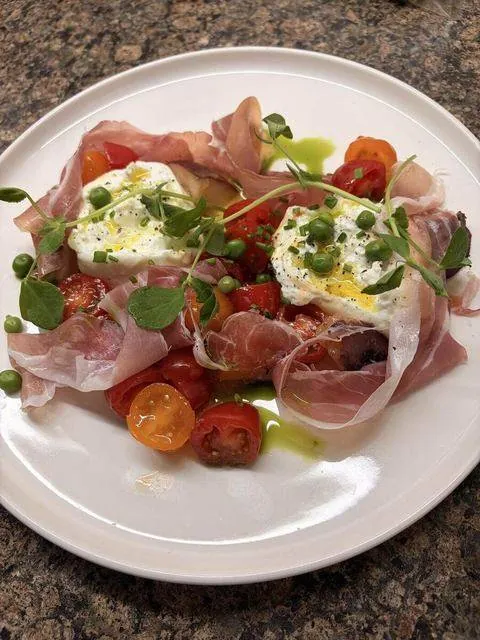
A private chef designs a menu specifically for your event, guests and preferences from scratch. A caterer usually works from a set menu or package, which you select and adapt from, rather than building entirely from a blank page.
03Scale and format
Caterers are generally set up for larger-scale events — buffets, large receptions, weddings with big guest counts — where their kitchen infrastructure and staffing model make sense. A private chef suits more intimate, tailored dining experiences, though can scale up for larger private events too, as shown across the Events page.

04The relationship with the client
With a private chef, you're usually working directly with the person cooking your food — a more personal relationship than the account-manager structure common with larger catering companies.
05Cost and value
Pricing structures differ meaningfully between the two — a private chef reflects bespoke, on-site preparation, while a caterer's per-head pricing reflects economies of scale for larger events. Neither is inherently better; it depends on your event's size and what matters most to you.
06A Question Worth Asking Yourself Before Choosing
A useful way to decide is to ask: do I want a menu built specifically around my guests, cooked fresh in front of them, or do I need a proven system that can reliably feed a very large number of people at once? Neither answer is wrong — they simply point toward different solutions, and being honest with yourself about which one matters more to you will point clearly toward the right choice.



07Combining Both for a Larger Event
For some larger private events, a hybrid approach — a private chef leading a signature course or two, supported by additional catering staff for volume dishes — can combine the best of both models. It's worth asking whether this kind of flexible arrangement is possible for your specific event.
08The Right Tool for the Job
Neither option is universally better — understanding the practical differences between the two simply helps you choose the one that actually fits your specific event.
09Making an Informed Choice
Understanding these practical differences means you can choose confidently based on what your event actually needs, rather than defaulting to whichever option happens to come to mind first.
10A Final Thought
Whichever route you choose, being clear with yourself about what actually matters most for your event — personalisation, scale, cost, or all three in some balance — is the real key to a good decision.
11Clarity Leads to the Right Choice
Once the practical differences are clear, most hosts find the right choice for their event becomes obvious fairly quickly.
12A simple way to decide
Choose by the experience you want guests to have. If you want a tailored menu cooked and plated in your own home, with one point of contact and flexibility on the day, a private chef is the closer fit. If you need to feed a very large crowd at a venue with its own kitchen and fixed logistics, a catering operation may be more practical. Many hosts find that a private chef with a team covers the middle ground well, from an intimate dinner for four to a reception for several dozen guests.
Unsure which fits your event? Share the details through the enquiry form for honest advice on what would work best.
Ask for AdviceFurther reading: The Caterer: industry insights and standards
Explore: all cuisine styles.