
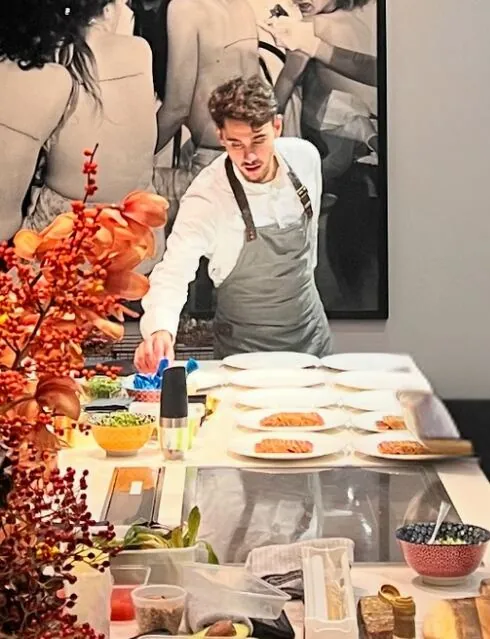
A well-designed tasting menu feels effortless to eat through, but building one from scratch is a deliberate process of balancing flavour, texture, pacing and story across every course.
01Starting with a concept
Every tasting menu needs a through-line — a seasonal focus, a regional influence like the dishes on the Spanish Heritage menu, or simply the client's own preferences and favourite ingredients as the starting point.
02Balancing flavour across courses
No two consecutive courses should compete for the same flavour space — rich should follow light, acidity should cut through richness, and the whole sequence should build rather than repeat itself.
03Considering texture, not just taste
A menu built entirely around soft, rich textures becomes tiring by course four. Good tasting menu design varies texture deliberately — something crisp, something silky, something with real bite — to keep every course interesting.
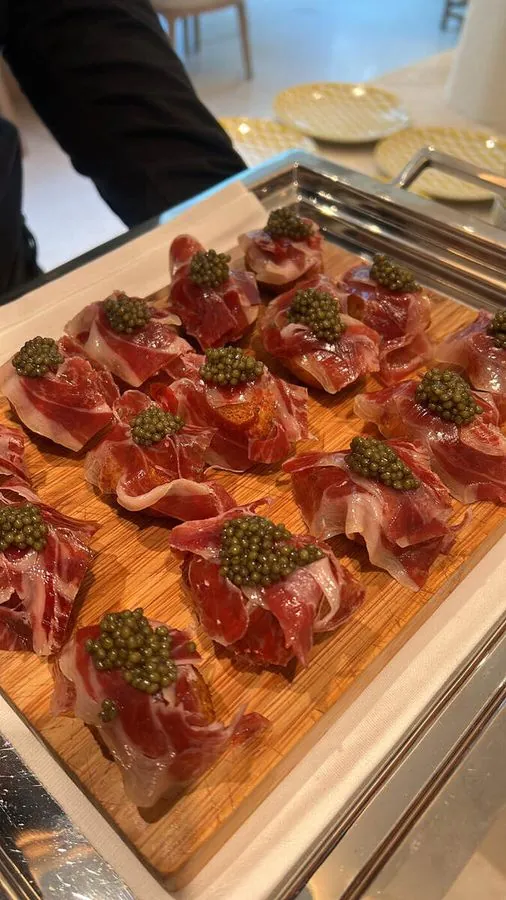
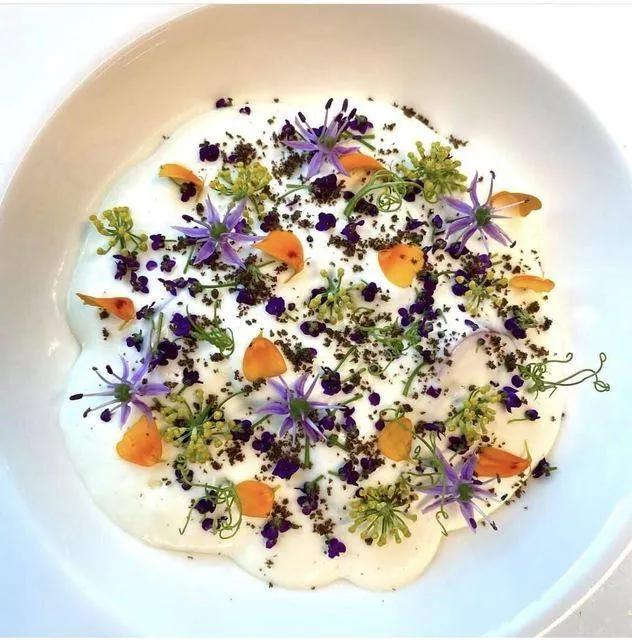
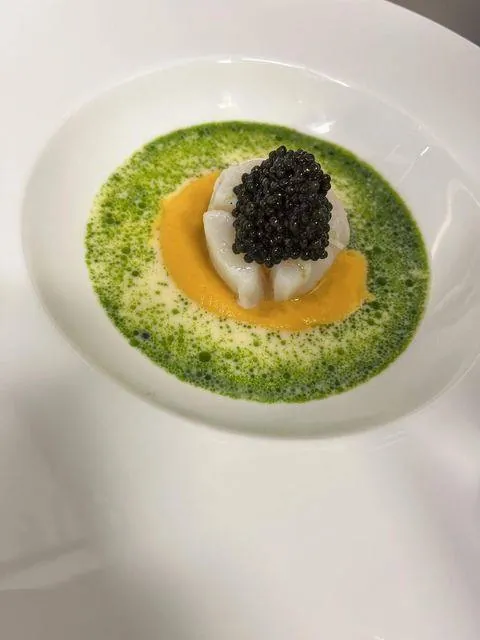
04Pacing the courses
Portion sizes shrink as the number of courses grows, so guests finish the meal satisfied rather than uncomfortably full. Timing between courses also matters — enough space for conversation, without long gaps that slow the evening's energy.
05Building toward dessert
The final courses should feel like a natural conclusion, not an abrupt shift — a well-designed tasting menu builds anticipation toward dessert rather than treating it as a separate, disconnected finish.
06Refining based on the client
The last step is always tailoring the concept to the actual guests — dietary requirements, genuine preferences, and anything specifically requested — so the finished menu feels designed for that table, not a generic showcase.

07Why Some of the Best Menus Change Right Up Until the Day
Even a carefully planned tasting menu often shifts slightly in its final days — a specific ingredient wasn't quite at its best that week, or a late piece of feedback from the client suggested a small adjustment. Treating the menu as a living document until close to the event, rather than fixing it in stone too early, is often what separates a genuinely excellent tasting menu from a merely good one.
08Requesting to See a Draft Before It's Finalised
Most chefs are happy to share a draft menu for feedback before finalising it, giving you the chance to flag anything you'd like adjusted. Taking advantage of this step, rather than waiting until the night of the event, is the best way to ensure the final menu truly reflects what you had in mind.
09A Craft Worth Understanding
Behind every effortless-feeling tasting menu is a genuinely deliberate design process — understanding that process is part of what makes the finished evening even more enjoyable to experience.
10Why Presentation Is Considered From the Start
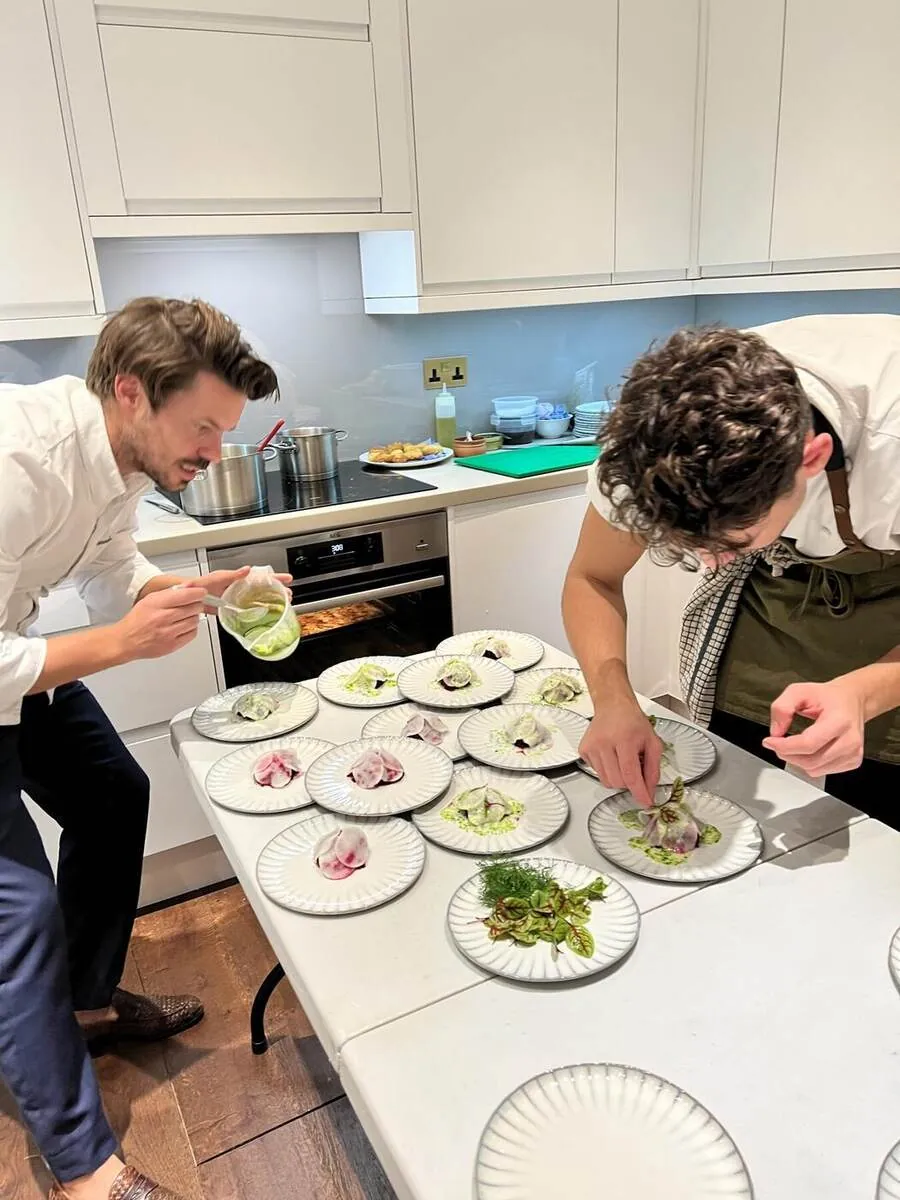
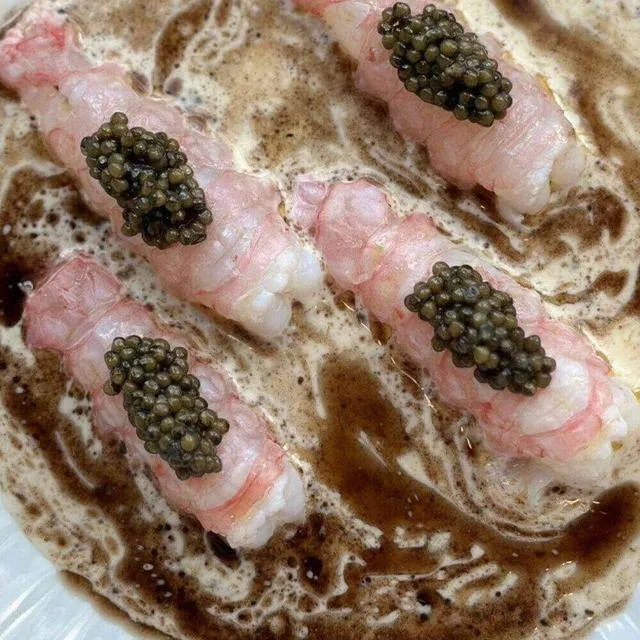
Plating isn't an afterthought bolted onto a finished recipe — it's considered from the earliest stages of designing a tasting menu, since the visual progression across courses matters as much as the flavour progression in creating a genuinely cohesive dining experience.
11The Result of Genuine Craft
A tasting menu that feels effortless to eat through is, paradoxically, usually the product of the most deliberate, carefully considered planning — proof that great design often hides the work behind it.
12The balance behind the sequence
A tasting menu works like a piece of music, with rhythm, contrast and a clear ending. Light, acidic courses open the evening, richer dishes build in the middle and a dessert closes it without feeling heavy. The chef also thinks about repeated ingredients, so that the same flavour does not appear twice by accident, and about the pace of service so that guests feel looked after without being rushed. Designing that sequence for your specific guests is where most of the planning time goes.
Want a tasting menu designed specifically around your event? Share your preferences through the enquiry form to start the process.
Design Your Tasting MenuFurther reading: Great British Chefs: understanding tasting menus
Explore: French private chef, Peruvian private chef, Japanese and sushi private chef, Pan-Asian private chef, all cuisine styles.